westward ho! to clovelly

SOUTH WEST COAST PATH

Tuesday, 5th MAY 2015

Today's weather forecast looks to be a bit on the ropey side again. It was chucking it down when I woke and blowing a gale (again!).

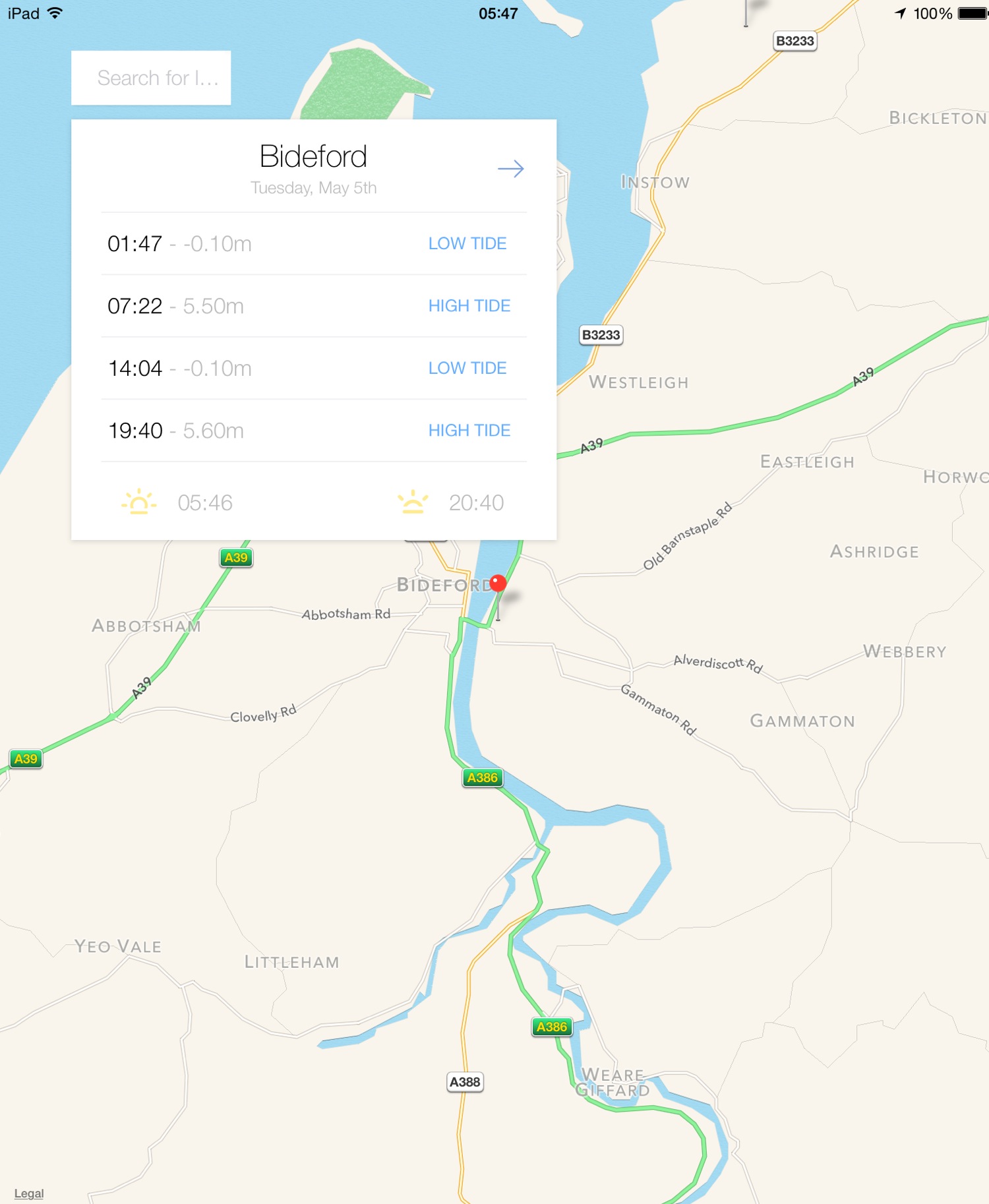
Bideford high tide 07:22

Bideford low tide 14:04
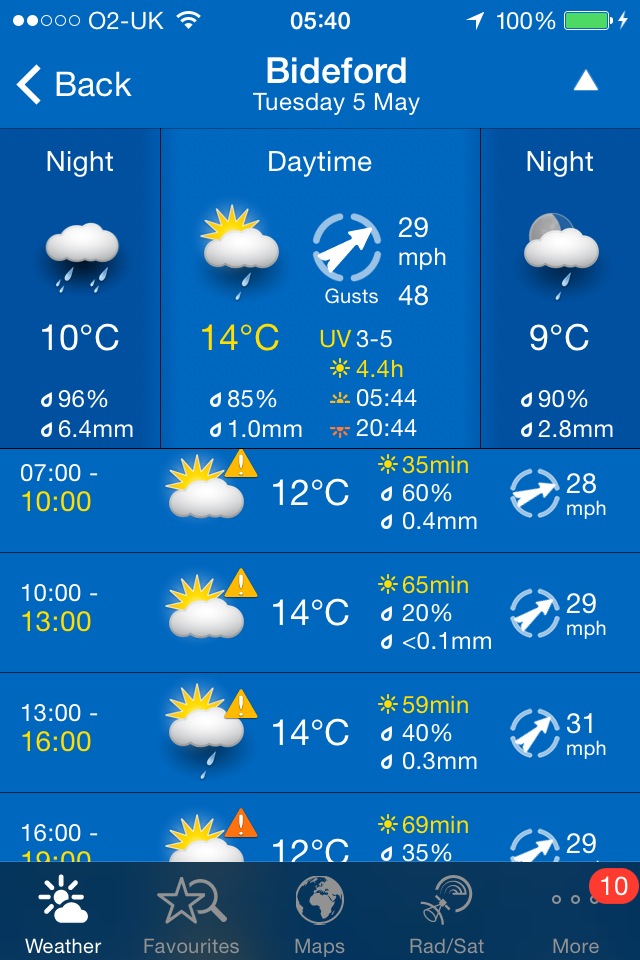
I start today's walk back at Westward Ho! where the blustery winds are much higher than the promised 26mph and there's heavy rain. Westward Ho! looks filthy in the rain.

a filthy looking westward ho!

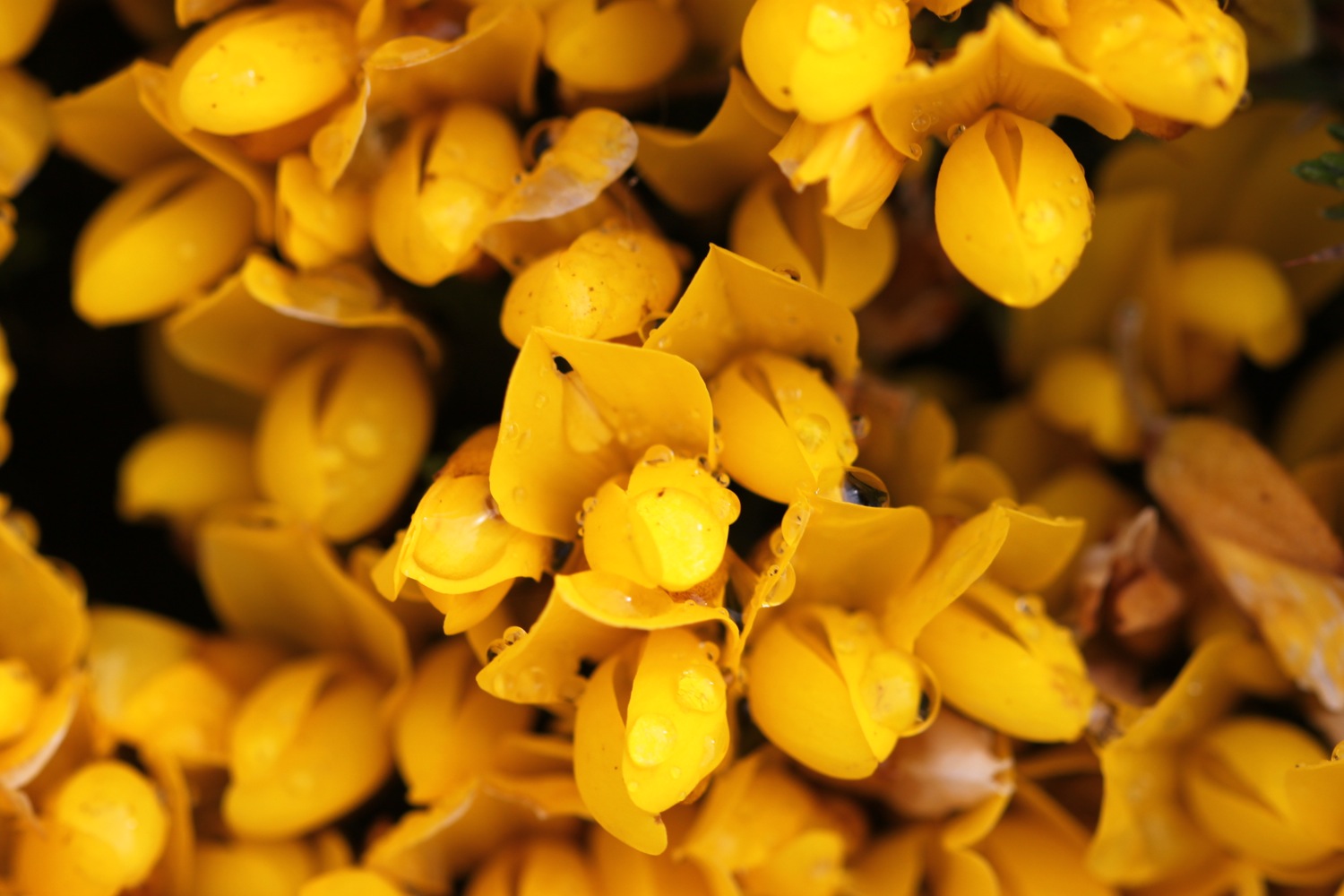
I follow the promenade passing some modern flats on the seafront before walking past a long row of colourful beach huts and then shelter from the wind and rain in a little hut while I prepare all of my equipment. I stumble out of Westward Ho! on grassy slopes before reaching a tarmac path which was once the track bed of the Bideford to Westward Ho! railway. The gorse is in full flower around here and there are lovely views towards Clovelly - well, there would be if the rain wasn't lashing it down and the wind wasn't blowing me all over the place.

gorse and sheep

At Cornborough Range the old railway track heads off to the left towards Bideford but my path continues along the cliff top and it's time for a roller-coaster ride.

I walk up and down over Cornborough Cliff, Abbotsham Cliff, Green Cliff and then Cockington Cliff. Suddenly I think that I spot a tiny bit of blue sky.

is that a tiny bit of blue sky?

I was right! The winds blow away most of the grey clouds and suddenly it's a beautiful spring day. It's still blustery mind!

yes, it is!

The views back to Westward Ho! and over to Clovelly are lovely.

view back towards westward ho!

view over to clovelly

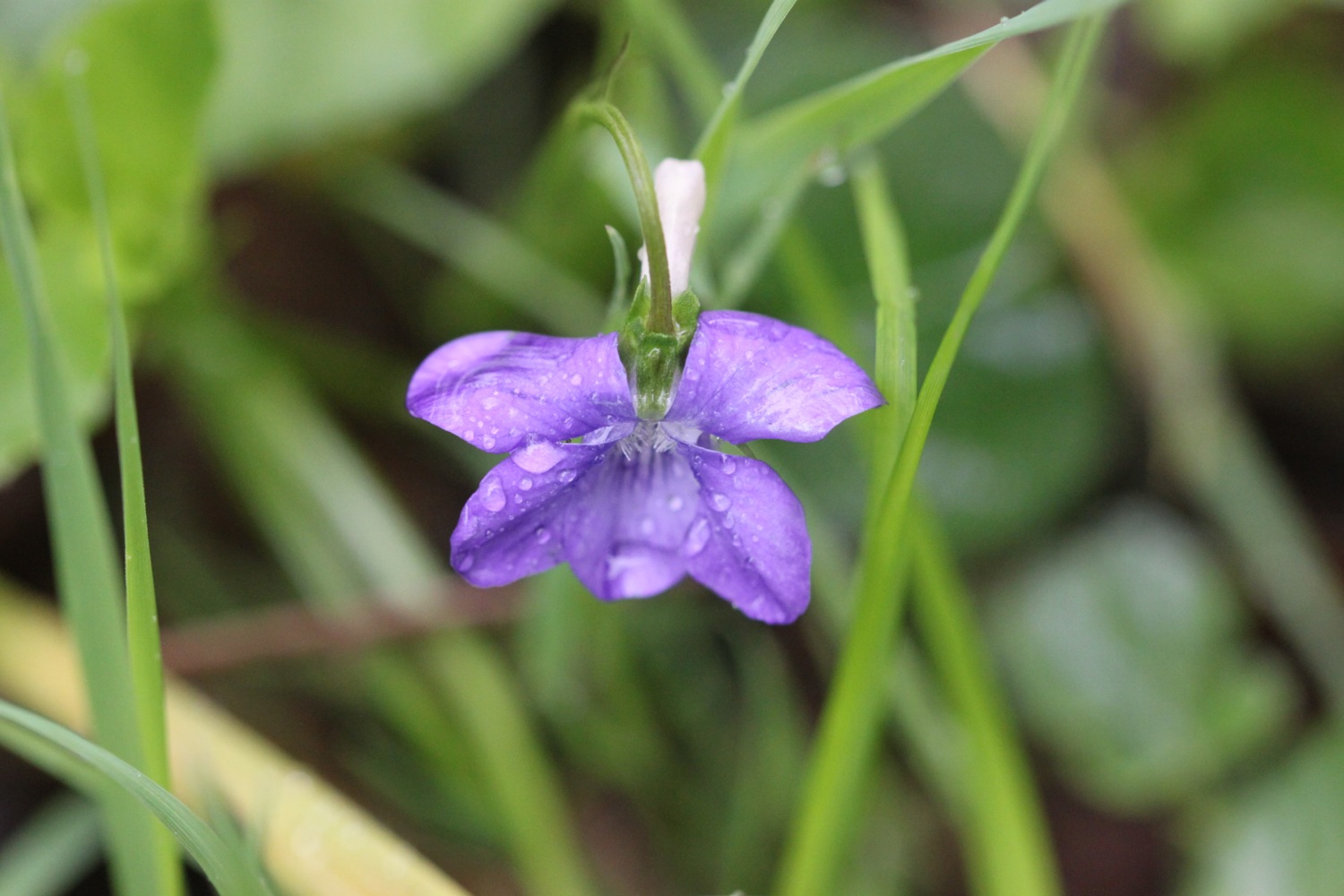
I descend down to Babbacombe Mouth with its rocky and pebbly beach and stop for some breakfast. I admire the wild flowers here which include some bird's-foot-trefoil, dog-violet and sea thrift.

babbacombe mouth

bird's-foot-trefoil

dog-violet

 I climb steeply up onto Babbacome Cliff and there are more lovely views before reaching Peppercombe, where there is a pebbly beach. I have the whole beach to myself.

view over peppercombe

The cliffs at Peppercombe are carved from 280 million year old red Triassic stone (unusual around here) and I have lovely views eastward back towards Westward Ho! and grand sweeping views westward towards Hartland Point. I should be able to see the isle of Lundy on the horizon but it's a bit hazy.

peppercombe

Clovelly can now be clearly seen clinging to the cliffs in the distance. 

The spring flowers are lovely and I pass primroses, celandines, dog-violets and plenty more gorse.

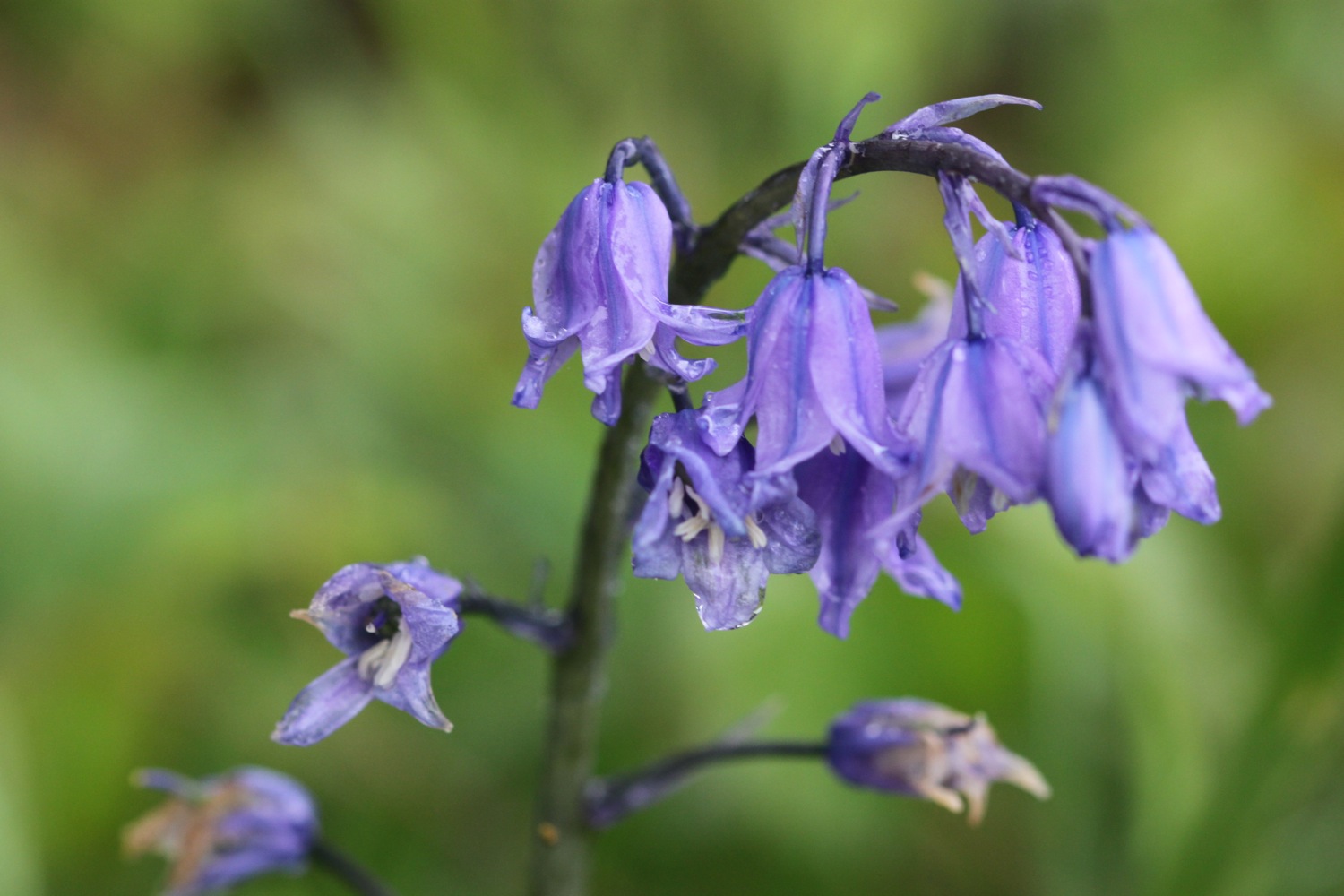
I climb steeply out of Peppercombe, admiring the views back from where I've come, and head along wooded slopes. The woods are full of bluebells and wild garlic and chiff chaffs are singing their hearts out everywhere. Even the wind has let up a little.

bluebell

wild garlic

a wood full of chiff chaffs

I descend steeply and gingerly down to the tiny village of Buck's Mills.

buck's mills

On the slipway down to the beach I pass Buck's Mills Cabin, used as an artist’s studio by Judith Ackland and Mary Stella Edwards, from the 1920’s up to the 1970’s. The National Trust became custodians of the Cabin in 2008.

buck's mills cabin

I wander down to the pebbly beach and admire the stream tumbling over the cliff before ascending back up to the village. The coast path climbs uphill between houses to reach Buck's Valley Woods.

buck's mills beach

buck's mills beach

tumbling stream at buck's mills

The path between Peppercombe and Hobby Drive has been designated a Site of Special Scientific Interest. The walking is lovely and chiff chaffs, wrens, robins, blackbirds, great tits and many more birds are singing their hearts out and there are bluebells everywhere.

a bluebell wood

The path continues, sometimes through woods, sometimes besides woods and there are pheasants everywhere. Eventually the path reaches Hobby Drive and I come across a stone memorial bench …..

The new portion of road measuring 833 yards was added to The Hobby by Frederick and Christine Hamlyn in the year of Our Lord God 1901.

stone memorial bench

hobby drive

This area has inspired artists, including the famous 19th century artist Samuel Palmer, whose work 'A study of Trees' captures the characteristic woodland forms still found in this area. Nope, I've not heard of him either!

The path continues downhill through woods and there are now glimpses of Clovelly through the trees.  As I approach Clovelly I come across more and more dog walkers.

glimpses of clovelly

wrinkleberry lane

I reach the ancient Wrinkleberry Lane and the coast path continues high above Clovelly but it's time for me to visit the village and end today's walk.

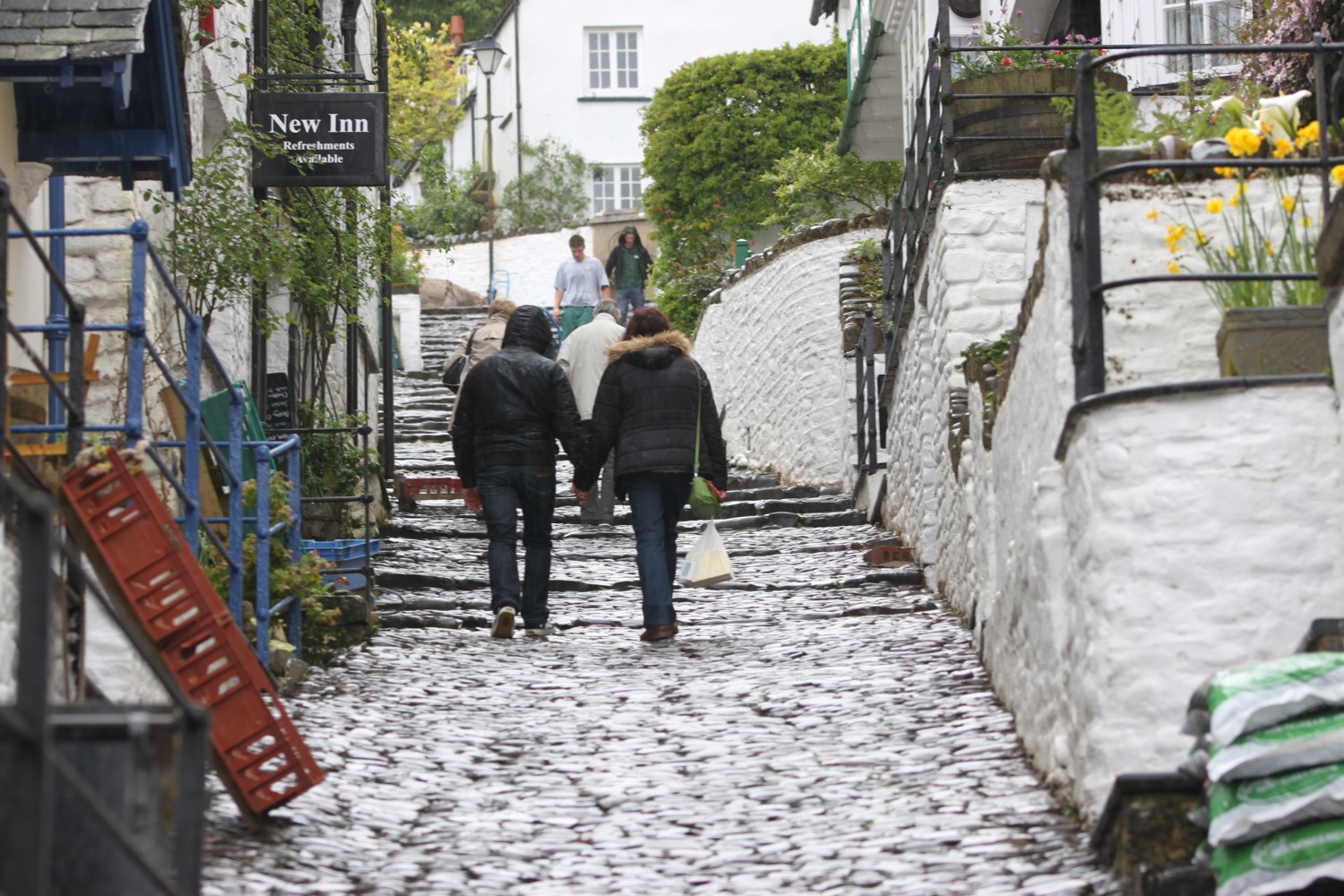
The village of Clovelly tumbles 400 feet down a steep hillside from the visitor centre down to the harbour. A shower passes over and I gingerly (my walking boots are more suited to rocks than wet, smooth cobbles!) make my way down the steep cobbled traffic-free (unless you count tourists!) street, passing all of the quaint cottages including the oldest cottage in the village, the former home of "Crazy Kate".

clovelly

I pass the New Inn where the cobbled village street changes from ”Up-a-long” to “Down-a-long” and peak in to the little alleyways leading off to the left and the right. Charles Dickens stayed at the New Inn in 1860 and wrote about Clovelly.

clovelly

There are lovely views across Bideford Bay.

I reach the Red Lion Hotel at the bottom of the village and the harbour with a small fleet of fishing boats where I rest for a while. The light rain is soaking my camera.

red lion hotel

It's a damp end to a lovely day's walking.

damp clovelly

I climb back up through Clovelly and leave through the visitor centre where my lift awaits in the car park.

There's only one way to end the day and that's with a cold bottle of Sharp's Brewery Doombar.

FLORA AND FAUNA

Flora and fauna encountered on the walk today includes :-

  • rabbits
  • sheep
  • gorse
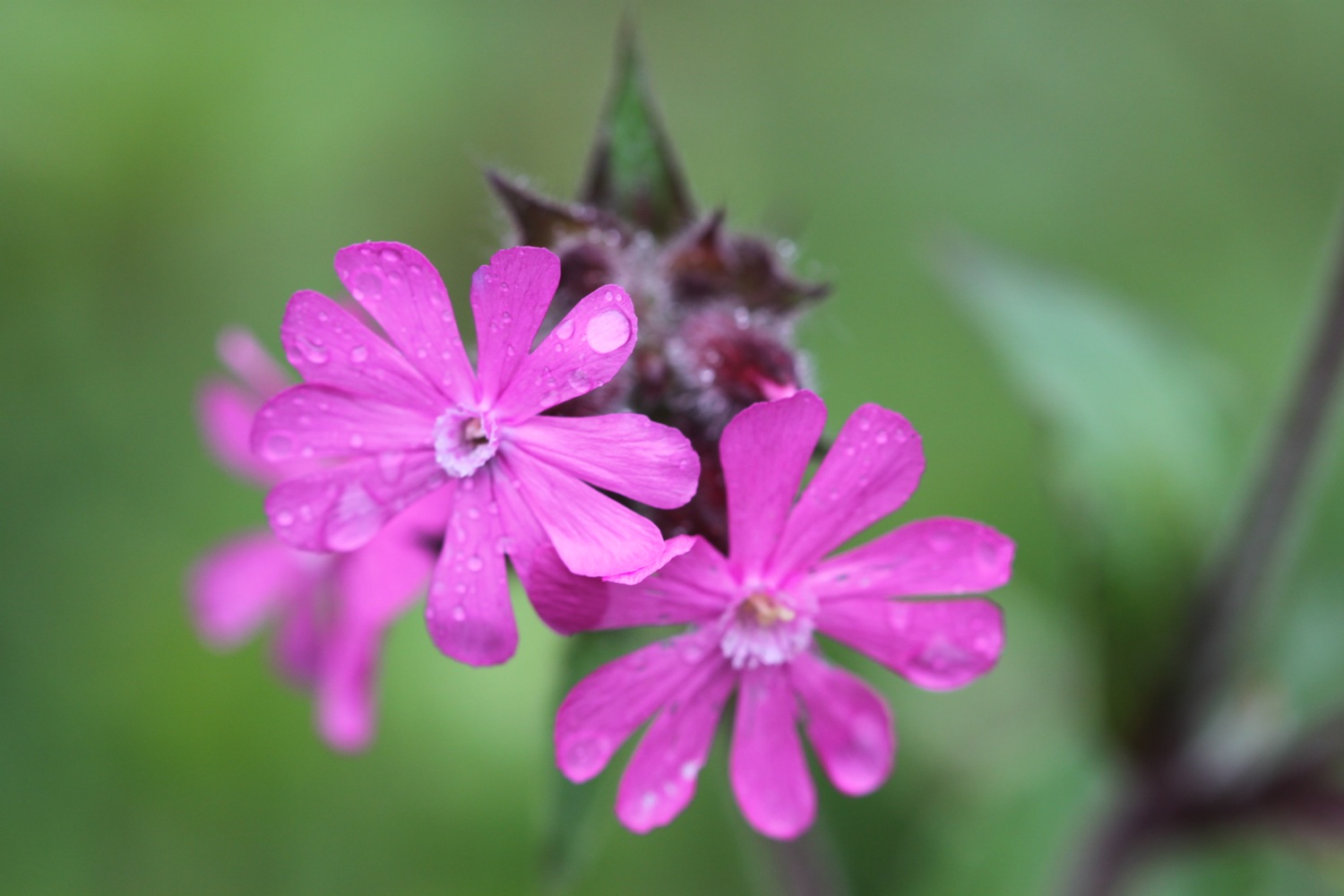
  • red campion
  • bladder campion
  • bluebells
  • dog-violet
  • bird's-foot-trefoil
  • pheasants
  • primroses
  • chiff chaffs
  • chaffinches
  • robins
  • great tits

PODCAST

The podcast of today's walk is now available.  You can subscribe via the iTunes store or listen using the player below.

MARKS OUT OF TEN?

According to my phone I've walked 13.5 miles today which amounts to 31347 steps. Despite a filthy start to the day and a damp end the walking has been great today. Possibly one of the best walks on the coast path. 9 out of 10.

view over to clovelly

braunton to westward ho!

SOUTH WEST COAST PATH

Sunday, 3rd MAY 2015

Today's weather forecast looks to be on the ropey side again so I'm expecting rain but at least the wind should be lighter than yesterday.

Barnstaple low tide tide 10:55

Barnstaple high tide 18:45

It's a long, long walk today which, on paper, looks a bit on the boring side, walking largely on old railway tracks. But hey! The birds are singing and the wild flowers are looking almost at their best.

I start the day back at the car park at Velator Quay and walk up to the roundabout at Velator on the way in to Braunton. It starts to rain so I put my waterproofs on but it soon stops and they come off again. Mist clings to the hills around Braunton.

velator quay

A sign here points to Barnstaple along a tarmac cycleway and there are plenty of signs around showing that the cycleway used to be a railway.

The Barnstaple to Ilfracombe Railway was built in 1874 by the London and South Western Railway as an extension of a rail network that stretched right back to Waterloo Station in London but closed in 1970. The line between Braunton and Barnstaple was subsequently bought by North Devon District Council and made into a footpath and in the late 1980s was upgraded to a cycleway and is now part of National Cycleway Network number 27.

One of the last Summer Saturdays before closure of the line. Shot on 8mm Standard Eight. Silent. These clips are on a new dvd at www.rail-dvd.co.uk/page_2469656.html

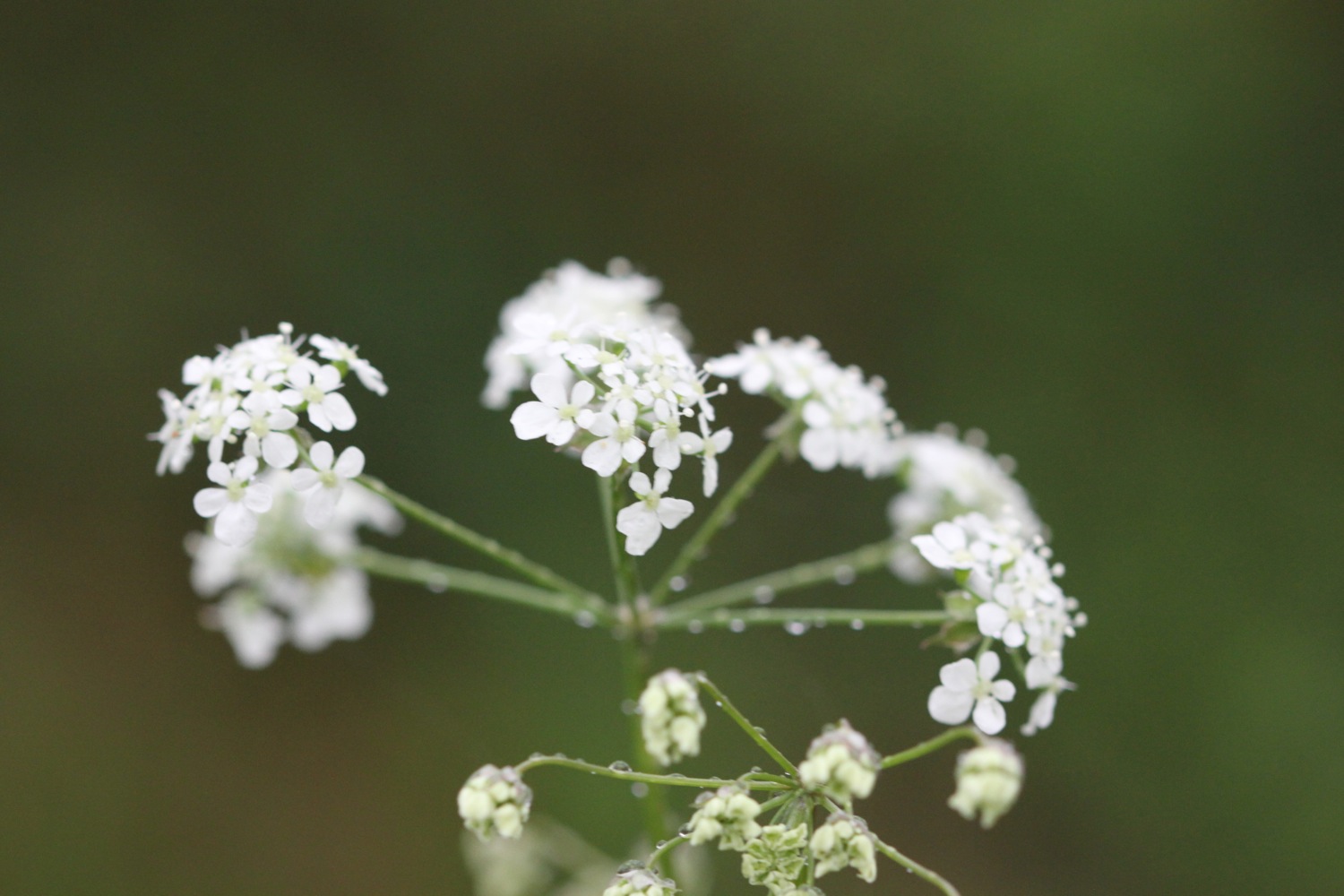
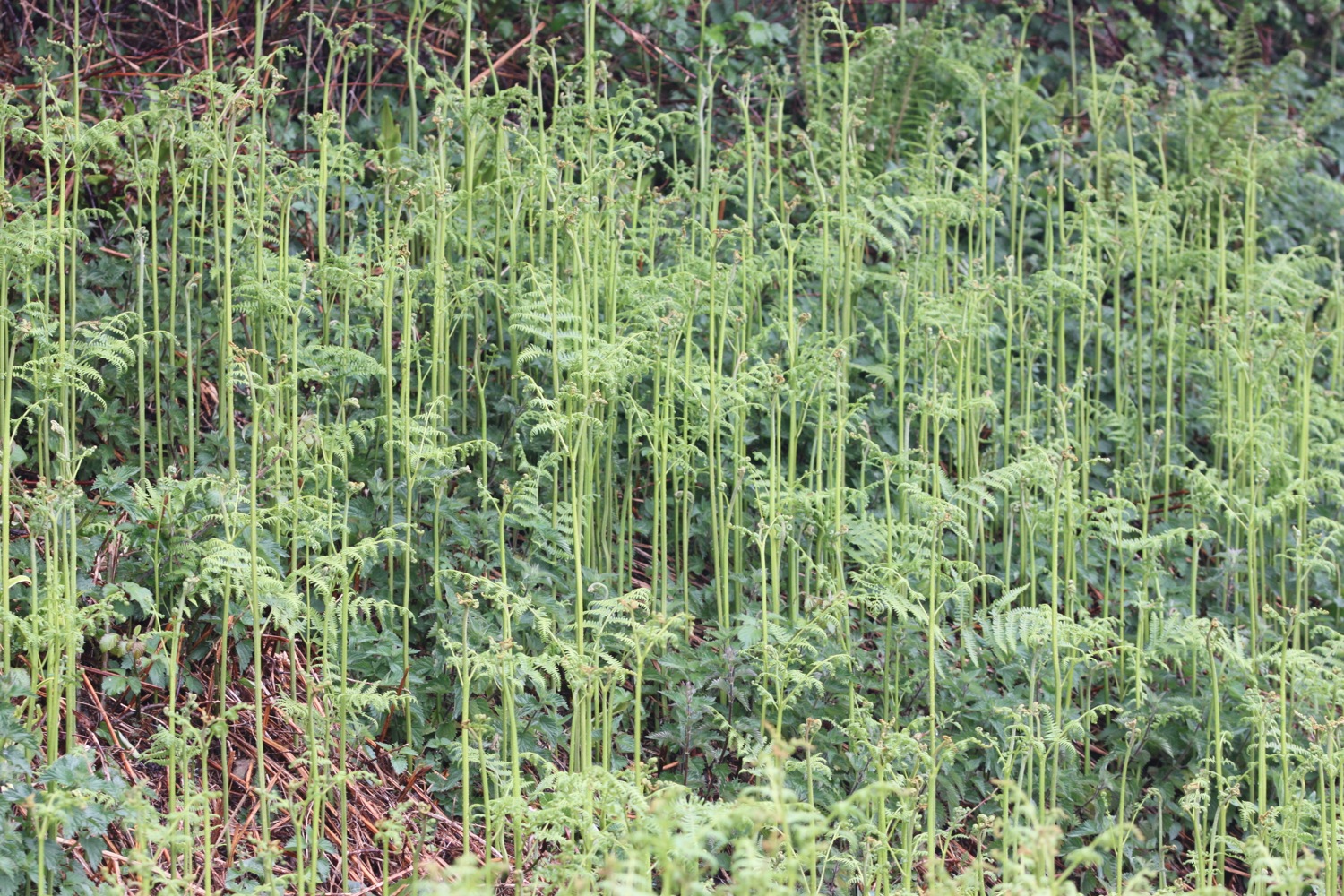
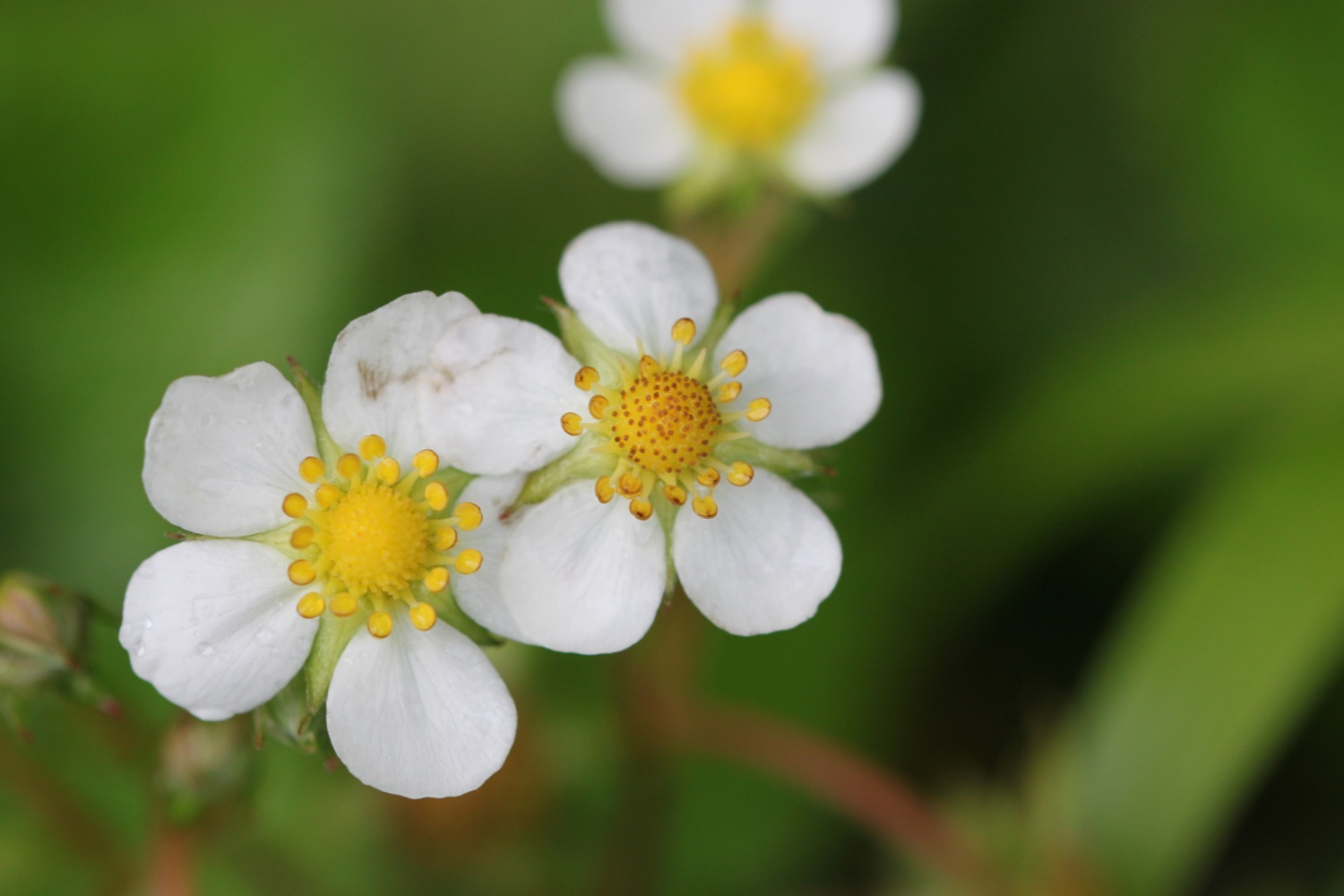
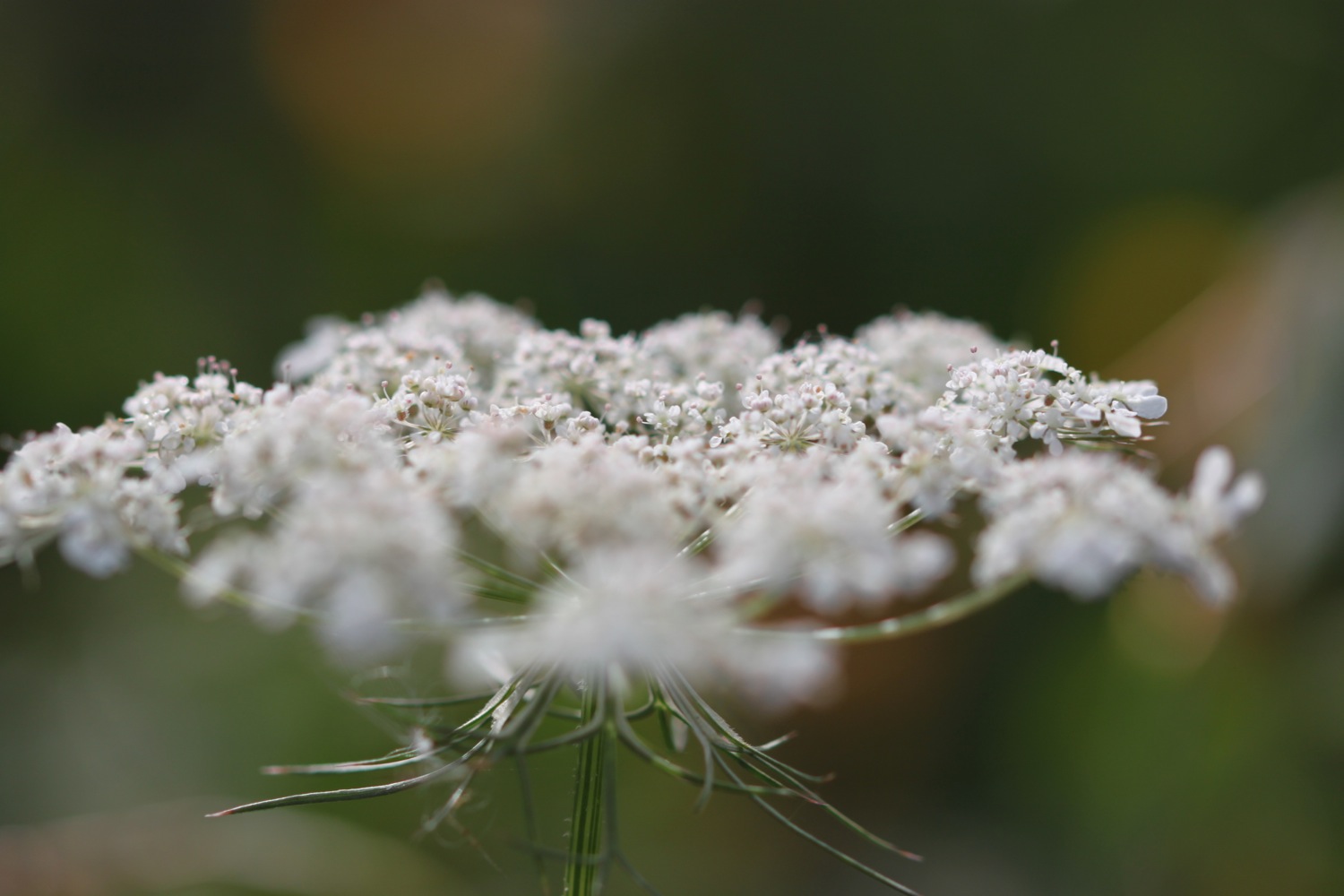
The spring flowers are out in all their glory and I see plenty of cow parsley, ferns, dog-violets, bluebells, primroses, wild strawberries, red campion and buttercups. 

The walking is easy and I pass RMB Chivenor, home to the RAF Search and Rescue Base for the 22nd Squadron.

I come across my first orchids of the week, early purple orchids.

early purple orchids

I pass under bridges and the wooded path gives way to views across the River Taw. I have plenty of cyclists and runners for company as I approach Barnstaple.

I come across some 'dalek zone' graffiti on the path but have no idea what it means.

a361

The route continues by an industrial estate and then I walk underneath the Taw Bridge carrying the A361 where I find more 'dalek zone' graffiti. Kids are playing football on the sports grounds next to the bridge.

I cross Yeo Bridge to reach Barnstaple where I walk across the ancient Long Bridge.

yeo bridge

long bridge

I leave Barnstaple behind me via a tarmac path and come across murals by Mel Saggs in the underpasses. 

mural

I join another path along old railway tracks along the south side of the estuary of the River Taw.

The Taw Vale Railway and Dock Company laid the track between Fremington and Barnstaple in 1846 and was originally a goods line operated by horses. The company repackaged itself as the North Devon Railway who then extended the railway through Instow to the original station at Cross Parks at East-the-Water at Bideford. The Bideford Railway Heritage Centre website contains a full history of the railway. 

The path is used by plenty of cyclists, joggers and dog walkers.

The path moves away from the river and goes through an old cutting to reach the old Fremington station which now houses the Fremington Quay Cafe and the Fremington Quay Heritage Centre. Fremington Quay was once a bustling port, importing and exporting goods all around the world.

fremington quay

I cross a bridge over a tidal inlet, where I hear curlews, and continue along the trackbed away from the river where I come across more orchids, although there doesn't seem to be as many as I remember from earlier years. Early purple orchids again.
early purple orchids
boat shelter

Next to Home Farm Marsh is an upturned boat shelter and I then come across the site of the former Yelland Power Station, once a vast, coal fired power station, built in 1955 and now a dump!

yelland power station

yelland power station

I visit the North Devon Cricket Club (@instowcricket) which I've somehow missed on previous visits as it's tucked away behind the path. The thatched pavilion is a grade 2 listed building dating back to the late 1700s..

north devon cricket club

thatched pavilion

I follow the cutting in towards Instow where there's a lovely display of bluebells. I pass through a tunnel and pass a micro-orchard containing a number of fruit and nut trees.

bluebells by the railway cutting

I've reached Instow. The tide is too low for the Instow to Appledore ferry to be running so I'll have to trudge down the River Torridge to Bideford and head back up the other side to Appledore.

There are more signs of railways at Instow and I pass the preserved Instow signalbox and what used to be Instow station but is now home to the North Devon Yacht Club. Next to the signal box is Instow in Bloom's signal box meadow. The meadow contains 'Seat for Four Sleepers', designed and made by Hartland based artist Paul Anderson.

seat for four sleepers

I trudge along the railway trackbed between the Torridge estuary and the road, disturbing more curlews at one point. The wind has picked up and is blowing heavily. I go underneath the bridge of the A39 before reaching the village of East-the-Water where I find the preserved station and signal box, which includes The Railway Carriage Visitor Centre and a restaurant in a restored carriage.

bideford station

I walk over Long Bridge to reach the town of Bideford. I walk along the quay through Bideford and pass a statue of Charles Kingsley, before walking along a gravel lane to pass under the A39 bridge again.

long bridge

charles kingsley

A fiddly path heads towards Appledore but it is well signposted and the sun has suddenly come out. I pass through Burrough Farm, owned by the National Trust and I'm now in ship building territory. I pass the massive Appledore Shipbuilders to reach the village of Appledore.

appledore

the view from appledore waterfront

I walk along the waterfront and pass the parish church of Saint Mary's.

saint mary's

saint mary's

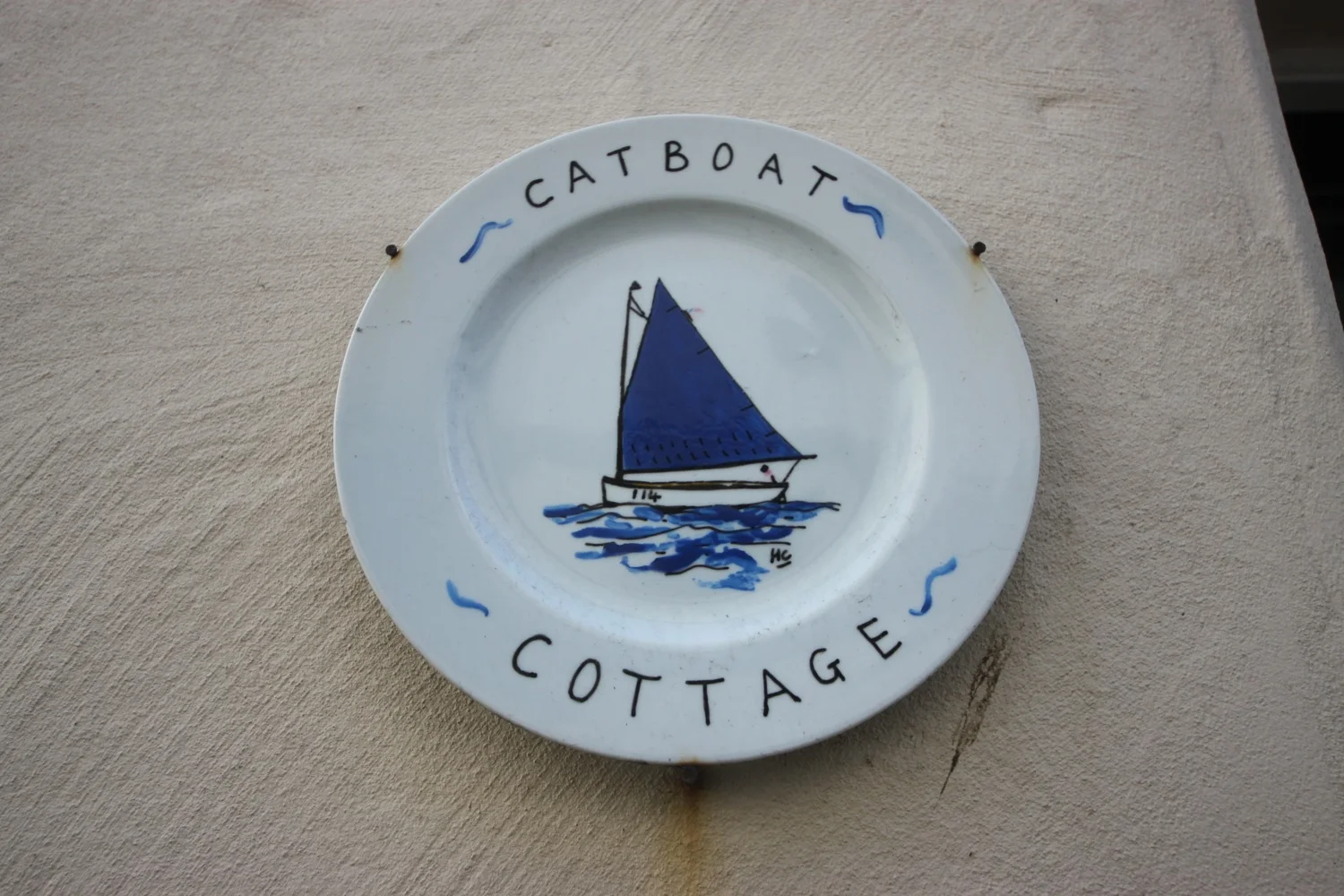
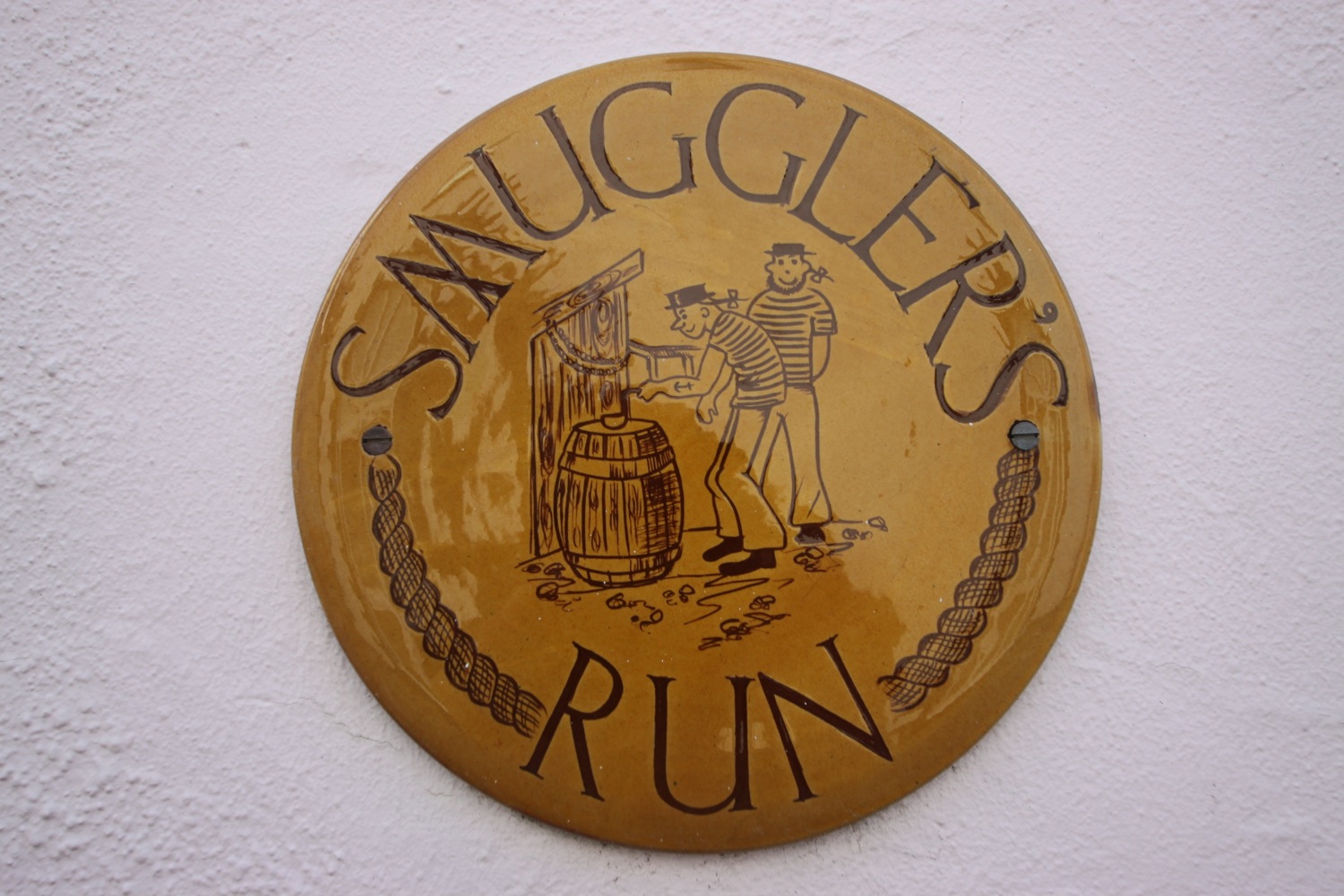
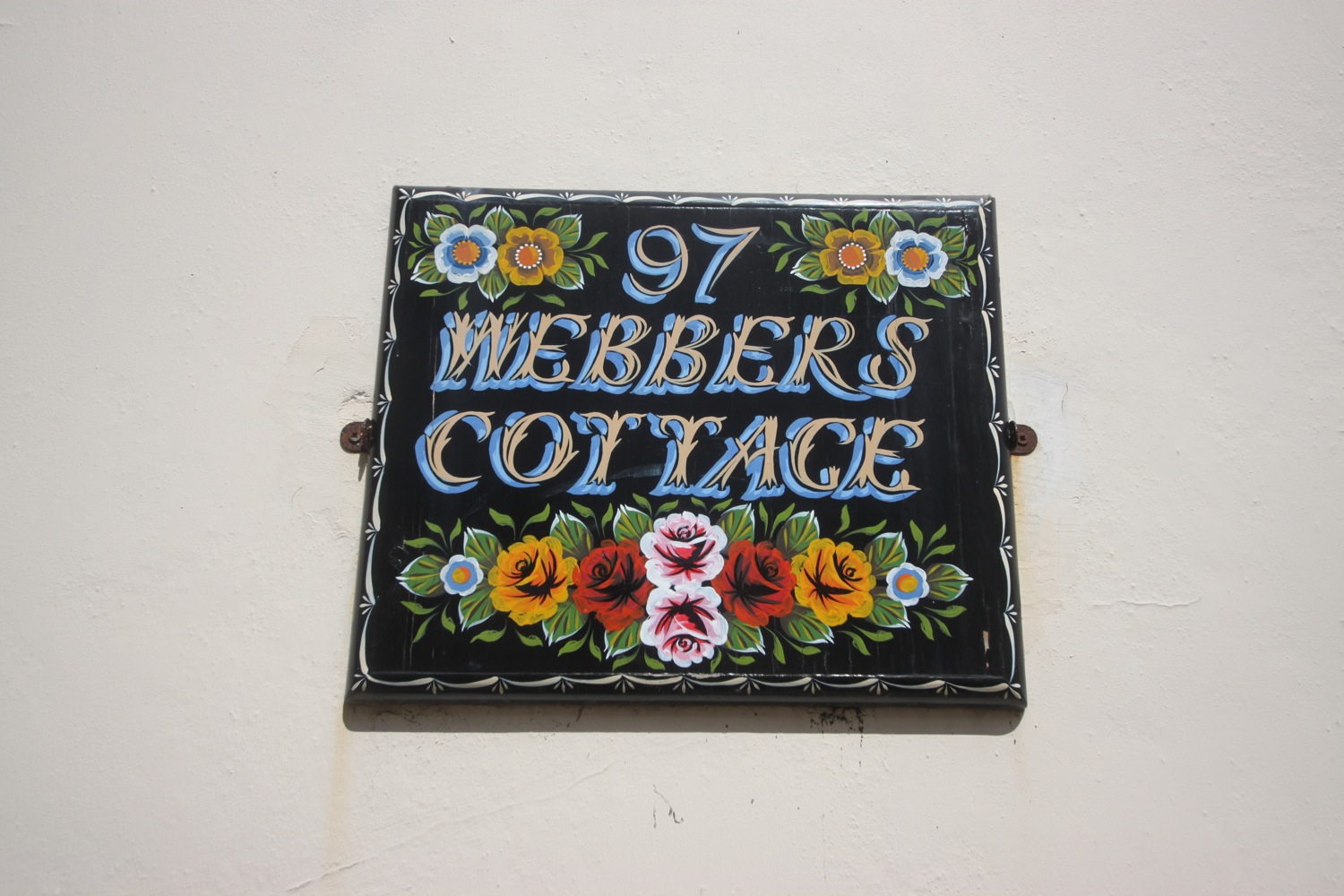
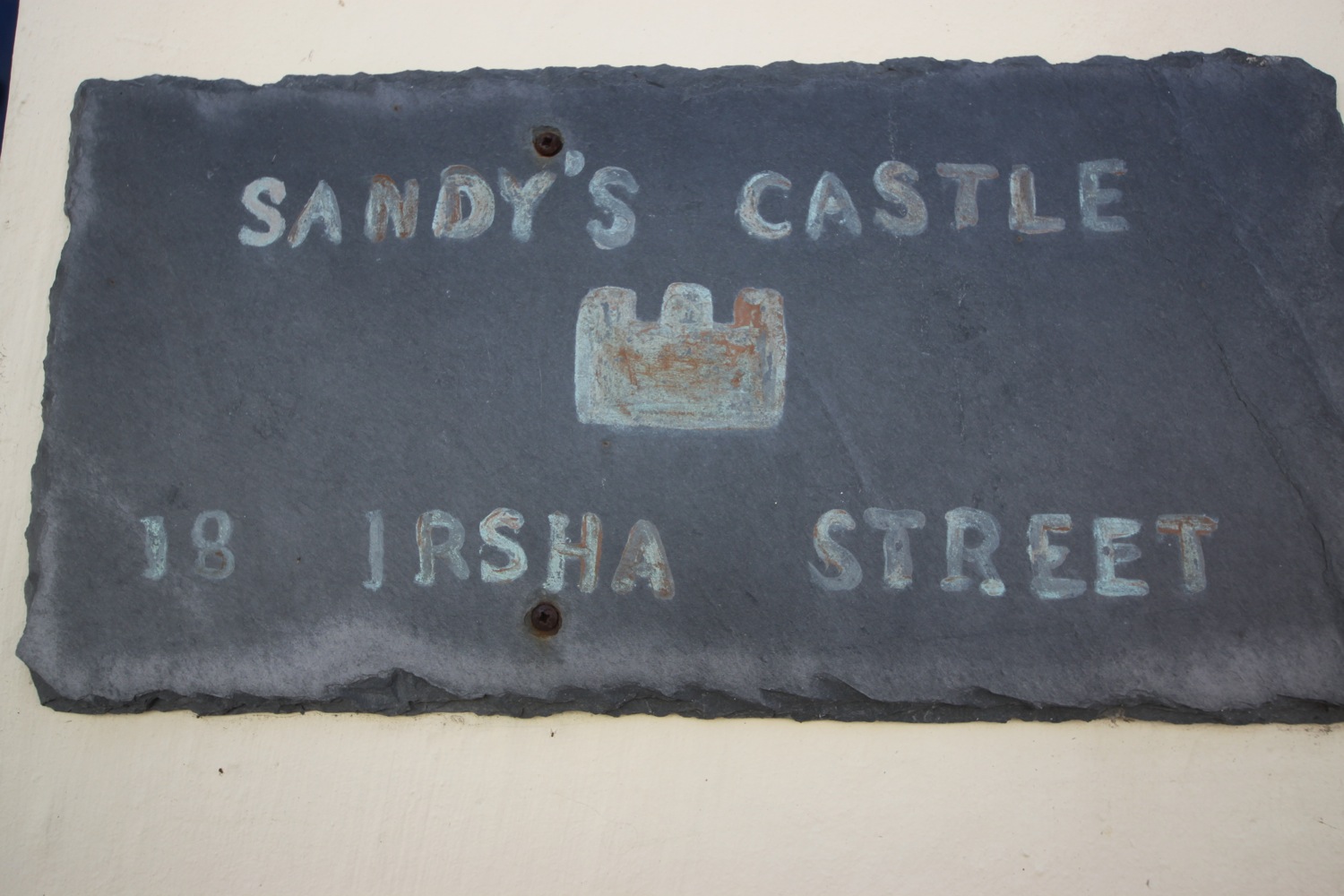
I reach the older part of Appledore at Irsha Street where I pass the Beaver Inn (@TheBeaverInn). The houses are crammed in here and I take some photos of the house signs.

irsha street

irsha street

the beaver inn

The Royal George is close to the Beaver Inn but is shut and looking a bit run down. Offers over £300000 anyone?

I pass in front of the lifeboat station but the coast path just past here has been undercut by the storms of 2014 and so I'm diverted onto Torridge Road which leads to Northam Burrows Country Park

appledore lifeboat station

I walk along the grassy banks of the park, where skylarks are singing but it's too windy to do any recording, before climbing over the pebbly ridge to drop down onto the sand exposed at low tide.

northam burrows country park

It's a pleasant, if very windy, walk along the sandy beach and it is definitely kitesurfing weather. to reach Westward Ho! I watch the kitesurfers before coming ashore at the slipway by the amusement arcade.

westward ho! beach

It has been quite a trek even if the walking has been easy.

FLORA AND FAUNA

Flora and fauna encountered on the walk today includes :-

  • little egrets
  • canada geese
  • primroses
  • wrens
  • thrushes
  • robins
  • great tits
  • ferns
  • orchids
  • skylarks
  • wild strawberries
  • oaks
  • chaffinches
  • chiff chaffs
  • pheasants
  • bluebells
  • rabbits
  • sheep
  • swallows
  • bird's-foot-trefoil
  • apple blossom
  • oystercatchers
  • greenfinches
  • curlews
  • wagtails
  • ox eye daisies
  • orange tip butterflies
  • navelwort
  • flag irises
  • speckled wood butterflies
  • peacock butterflies

PODCAST

The podcast of today's walk is now available.  You can subscribe via the iTunes store or listen using the player below.

MARKS OUT OF TEN?

According to my phone I've walked 24 miles today which amounts to 49139 steps. It's been a long, long old trek today mostly along metalled paths so the walking has been easy. A lovely day's walk. 8 out of 10.

woolacombe to braunton

south west coast PATH

saturday, 2nd may 2015

Today's weather forecast looks to be on the ropey side and I can expect rain, wind and grey skies. It's not going to be a great day for photographs.

Bideford low tide 12:25

Bideford high tide 18:00

It's been far too long but I'm finally back out on the South West Coast Path after an 11 month gap.

A lot of today's walk will be spent trudging along sandy beaches in manky weather, starting with Woolacombe Sand, followed by Putsborough Sand, then Croyde Sand and finally a three mile trudge along Saunton Sands. It's a hard life but someone has to do the walking!

I start the day at Woolacombe where, except for a few dog walkers and joggers, I have the whole beach to myself, Hang on a sec though! There's no way that wind is just 20mph as predicted. It's blowing a gale!  I strap my hat on and head towards the sea before trudging along the beach for a good two miles.

a dank and dreary woolacombe

footsteps on woolacombe beach

The far end of Woolcaombe Sand leads directly into Putsborough Sand. At the end of the beach I leave the sand behind me and pass the refreshment hut before turning right onto a track over Napps Cliff. The views looking back over Putsborough Sand to Woolacombe are usually amazing but not so much today due to the grey skies.

view back to woolacombe

A grassy path goes through several stiles and onwards towards Baggy Point and there are signs of sheep with wool caught in the gorse and pooh everywhere. I hear the sheep but never actually see them. The path becomes a lot rockier around Baggy Point before heading back in the opposite direction towards Croyde Bay where it's difficult to stay upright in the strong wind.

baggy point

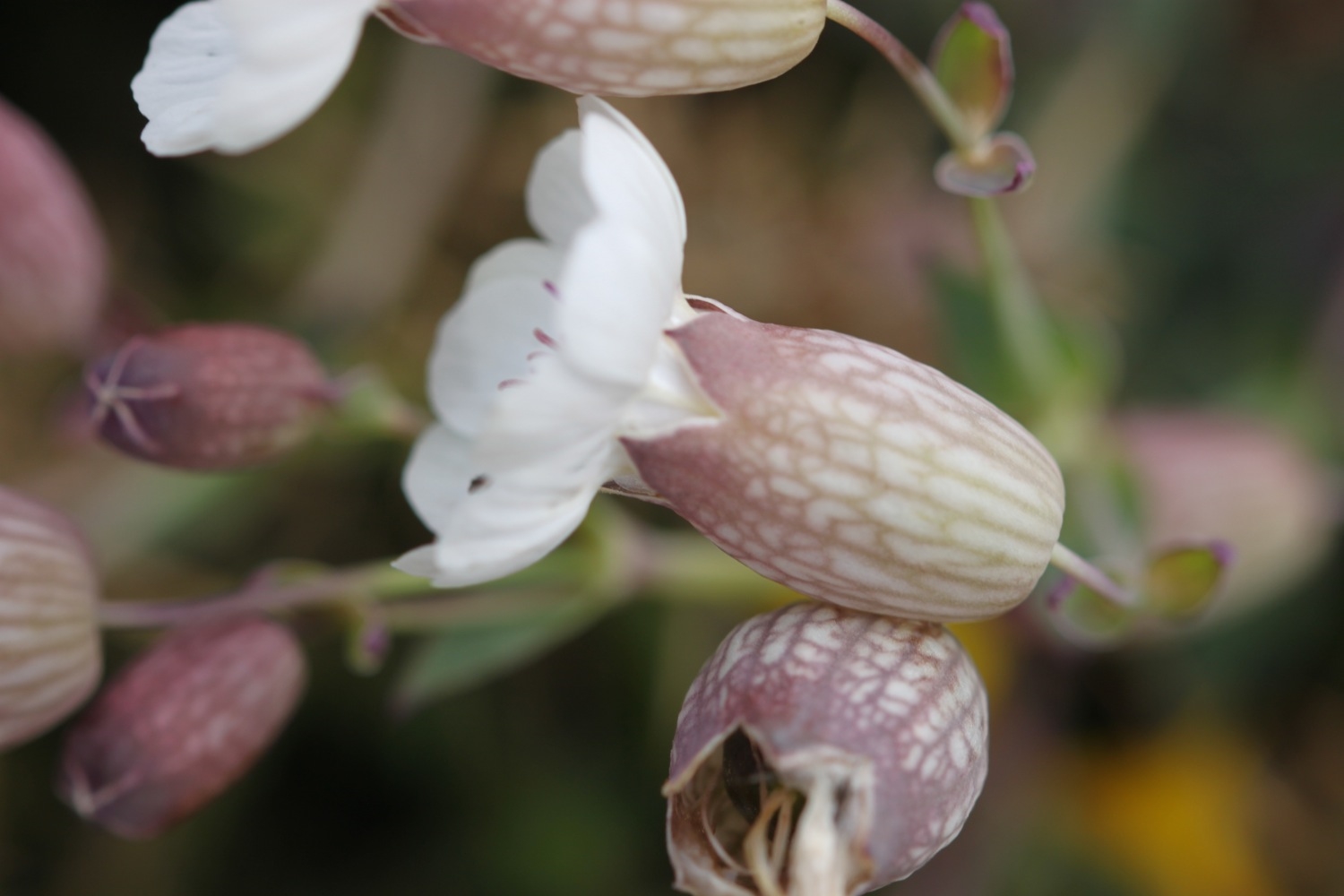
I pass wild flowers on the way to Croyde including bladder campion, gorse and sea thrift.

I pass a restored pond, built by the Hyde family who were keen conservationists and come across red campion and bluebells. The bluebells look suspiciously like spanish bluebells rather than our more delicate native bluebells.

bluebells

whale bones

The path passes a preserved whalebone of a large whale that was washed up on Croyde beach in 1915.  They were preserved by the Hyde family who gave Baggy Point to the National Trust in May 1939.

The path joins the road around Croyde Bay but I duck down on to Croyde Sand as soon as I can and head across the sandy beach. It's extremely windy. Although it's still early it's quite busy and there are plenty of surfers enjoying the waves here as well as a load of people playing rugby.

croyde beach

At the far end of the beach I climb a flight of steps and head along the coast before having to walk along the road and then cross the road to follow a grassy path above the road.

I now have lovely, but grey, views overlooking the large expanse of Saunton Sands before climbing down to the road at the Saunton Sands Hotel.

view over saunton sands

I usually get lost here but this time manage to find the path behind the hotel which even has a coast path sign I haven't noticed before. The path passes a tennis court, adventure playground and putting greens before dropping down to the beach cafe and car park. The official coast path heads inland and across a golf course which is crazy when there are three miles of sandy beach ahead. I flip a coin and the beach wins! 

There are colourful beach huts at the start of Saunton Sands which look shabbier than I remember them. 

colourful beach huts

It is quite busy but I soon leave the crowds behind wandering down miles to the sea and then walking along the vast beach. 

saunton sands

Braunton Burrows lies behind the beach and it is well worth an exploration if you have the time. Braunton Burrows and the surrounding coastline were declared Britain's first UNESCO Biosphere Reserve in November 2002. I might try and come back later in the week.

As the beach approaches the estuary of the rivers Taw and Torridge it changes direction. Blimey! It's now blowing an almighty gale causing the sand to drift across the beach. I don't quite know how Braunton Burrows manages to survive in this wind.

At the end of Saunton Sands i rejoin the official coast path and from here it's a boring walk towards Braunton. I follow an embankment around Horsey Island, built in 1857 to reclaim the marshland. It stinks around here but the skylarks don't seem to mind. The embankment continues inland along the River Caen.

horsey island

I reach Velator Quay, a rather stinky dump and my destination for the day! Velator Quay was built in 1853 as part of the marsh reclamation scheme and was a bustling little port until the railway arrived in 1874. There are plans to turn Velator Quay into a recreation area but I didn't notice any of the work having started yet.

valator quay

Tomorrow I will return here and start to see some of the evidence of railways on the long walk to Westward Ho!

FLORA AND FAUNA

Flora and fauna encountered on the walk today includes :-

  • skylarks
  • swallows
  • sheep
  • cows
  • red campion
  • bladder campion
  • sea thrift
  • gorse
  • bluebells
  • dog-violets

PODCAST

Unfortunately, there's no podcast available for this walk. My recording equipment failed to stand up to the blustery conditions. You can subscribe via the iTunes store to the other podcasts.

MARKS OUT OF TEN?

According to my phone I've walked 15 miles today which amounts to 32832 steps. It's been a blustery - did I mention the wind? - and grey day today but the rain has somehow managed to stay away. Despite the stinky end to the walk it has been a thoroughly enjoyable day. 8 out of 10.

bladder campion

oxford to abingdon

THAMES PATH

30TH AUGUST 2014

August has been relatively cold and wet but the weather forecast going in to September is much better and today is no exception so I'm expecting the sun to make an appearance and for it to be quite warm today.

The day begins with a train journey from Bristol Parkway to the start of today's walk, Oxford. I walk the short distance from Oxford train station to regain the Thames Path at Osney Bridge. It's a short walk today but I'll crack on anyway and hopefully have a bit of spare time to explore Oxford when I return later on today.

the view from osney bridge

I cross the River Thames over Osney Bridge and head on along the south bank of the river and pass the terraced cottages on East Street.

east street

the punter inn

Here can be found the Punter Inn but it's way too early to be lingering. Instead, I head on, crossing Osney Lock. Himalayan Balsam is invading the river banks here.

I pass an industrial estate, but it's heavily screened by vegetation and walk under a railway bridge. The riverside path curves around Grandpoint Nature Park, created on the site of Oxford's gasworks, and I pass under Gasworks Bridge and then Grandpoint Bridge, both of which are now pedestrian bridges.

My guidebook tells me that I pass an ice rink and then some college residences at Jubilee Terrace, but I don't notice them, before climbing up onto Folly Bridge, a stone bridge carrying the Abingdon road. The bus back from Abingdon will return down this road later on today.

folly bridge

I cross the road at a pedestrian crossing and drop back down on to the river path. I pass Salter's Steamers and Christ Church Meadow, a large area of pasture owned and maintained by Christ Church, over the other side of the river. In the distance I can see the herd of Longhorn cattle grazing on the meadow and I come across some bears enjoying the view.

salter's steamers

bears enjoying the view at christ church meadow

My guidebook promises that from here I can see some of the Oxford skyline, including Merton College and the dome of the Radcliffe Camera. In reality the skyline is a long way off and obscured by trees. There is a row of boathouses over the other side of the river and also the swanky, new-ish University College boathouse.

boathouses

university college boathouse

The river is suddenly full of activity with rowing boats and narrow boats everywhere and cyclists going up and down the towpath shouting instructions to the rowers.

I pass (my notes say) Long Bridge Nature Park, but could be Longbridges Nature Park, and then Falcon Rowing and Canoeing Club on the opposite bank of the river, which is a hive of activity. 

falcon rowing and canoeing club

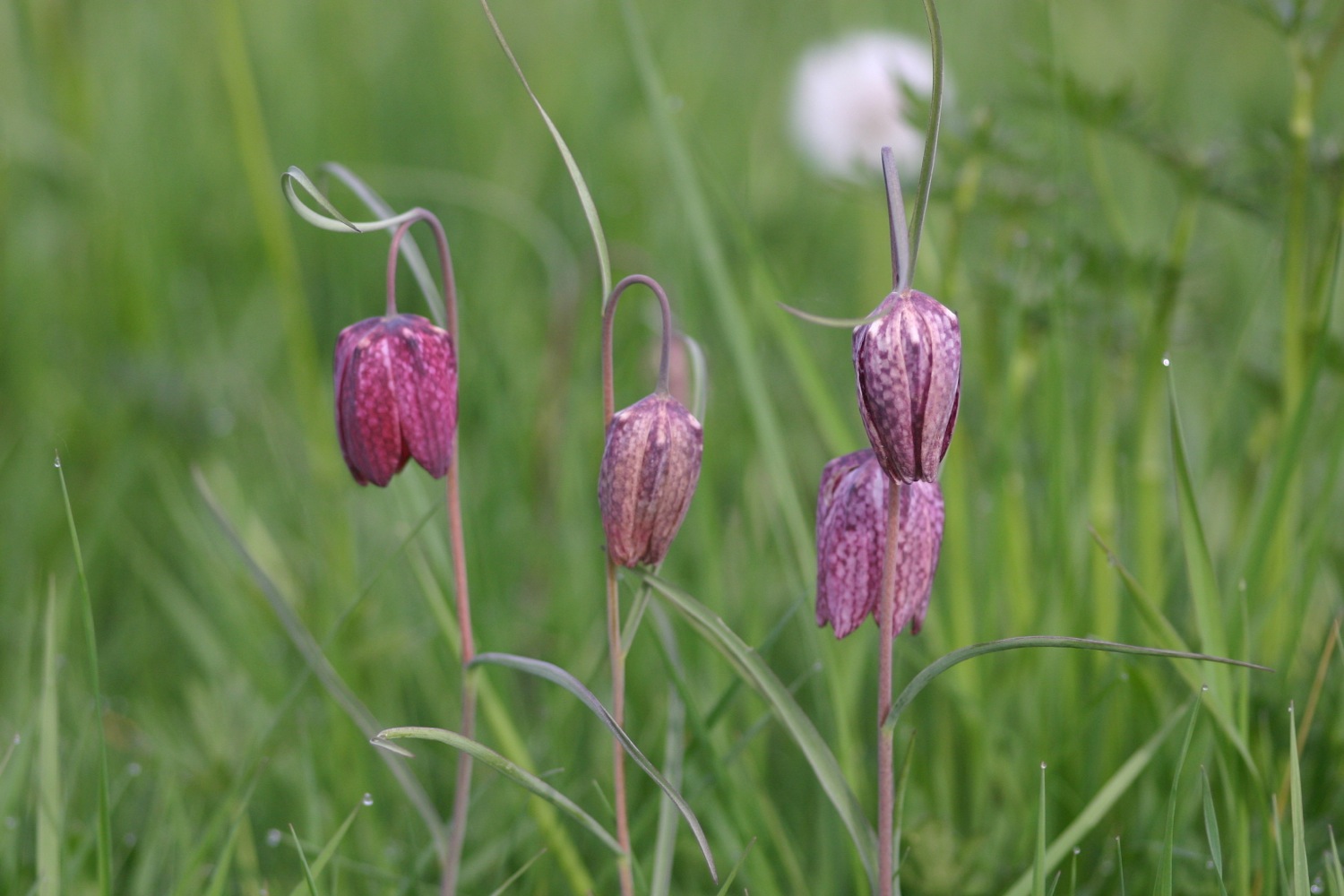
I cross two more footbridges and leave Oxford behind me. Over a road bridge I reach Iffley Meadows, which, like North Meadow earlier on the path, is full of snakes head fritillaries in the spring. There's no sign of these flowers now. Next door to the meadow is the Isis Boathouse.

iffley meadows

I come across the Isis Farmhouse which can only be reached by boat, bike or on foot and seems to have no website that I can find. Not only that but they are also closed Monday, Tuesday and Wednesday! Not sure how trade is here but it doesn't seem to make for a very good strategy!! Still, there's plenty of benches outside so business must be good.

isis farmhouse

isis farmhouse opening hours

I reach Iffley Lock which is in full swing and from here my guidebook promises that I can see across to the Norman Iffley Church. I see nothing but trees!

iffley lock

The towpath here is full of flowers even this late in the year so I mount my macro lens onto my camera to capture a few of them.

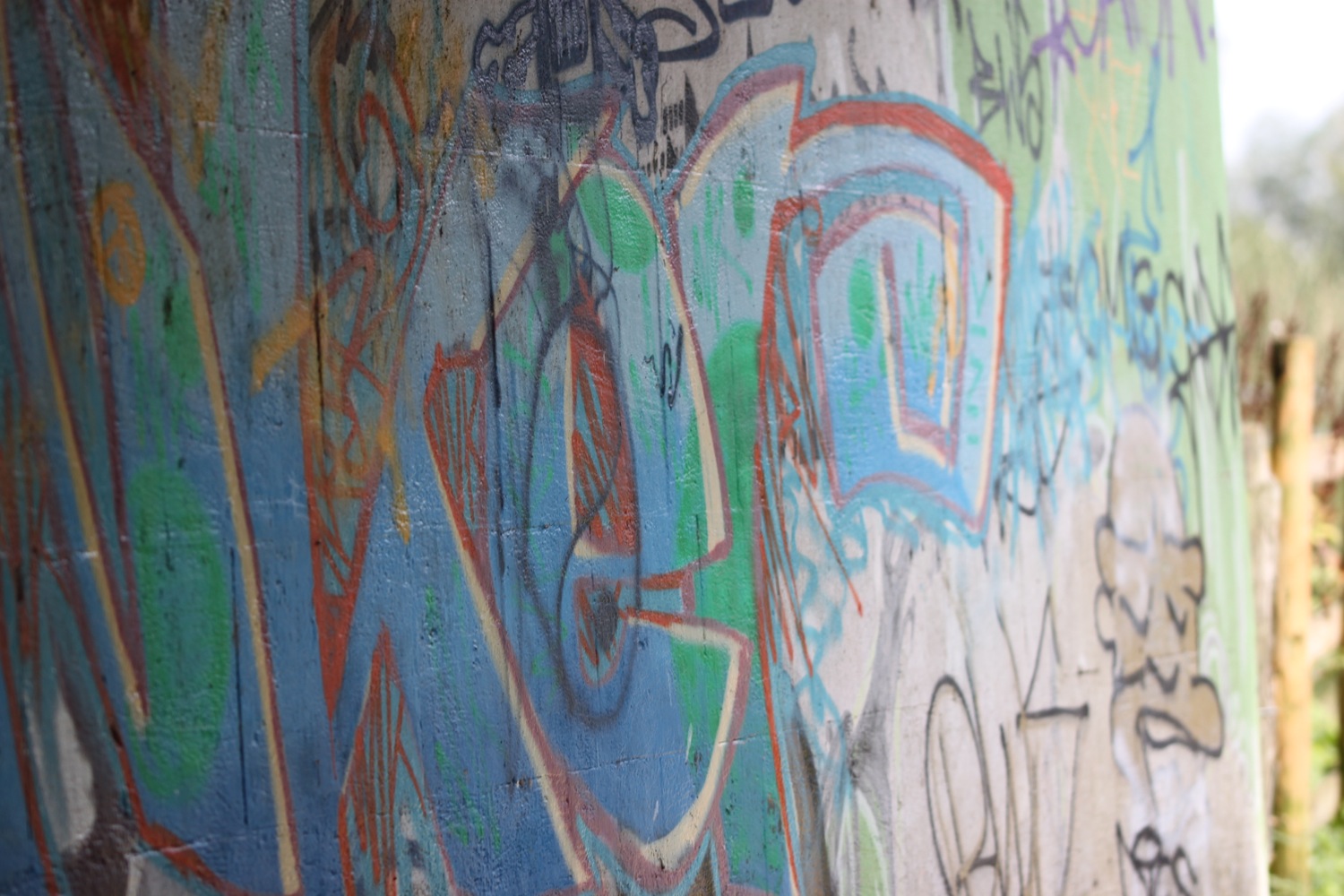
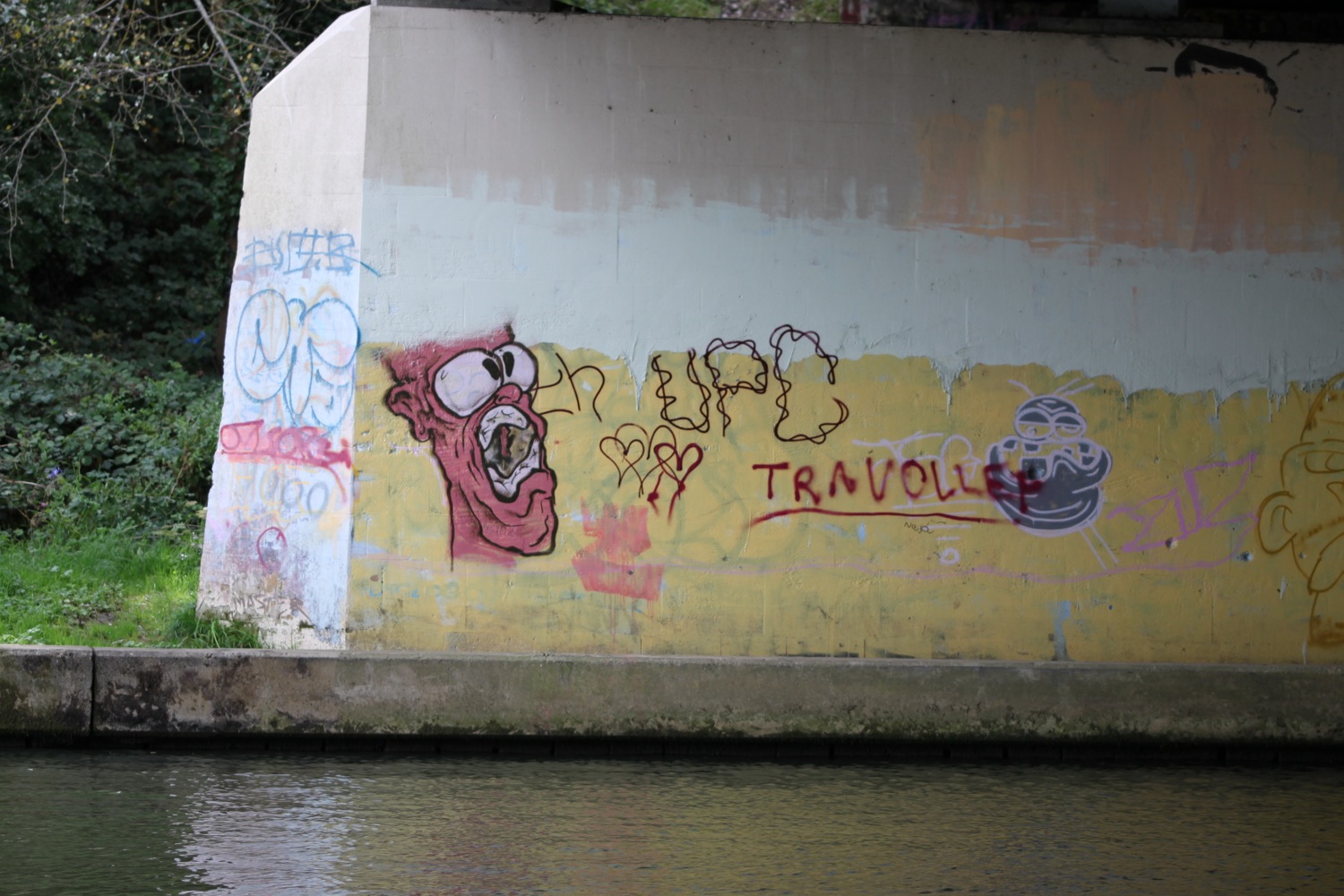
I continue along the tow path and walk underneath the Oxford ring road bridge which briefly shatters the peace. Some graffiti on the bridge brightens things up and some swallows appear to be nesting under the bridge despite the noise.

A footbridge takes me over Hinksey Stream and immediately I walk under the railway bridge here. I'm now in open meadows owned by the Oxford Preservation Trust, where more fritillaries reside in the spring. I pass some crackling pylons and then a stone telling me when the field was acquired.

pylon

oxford preservation trust

After admiring the meadows I head on towards Sandford-on-Thames where I pass the Four Pillars Hotel on the other side of the river. I'll pass the hotel again on the bus trip back to Oxford.

My guidebook tells me that the sound of water should be increasing as I approach Sandford Lasher weir and a memorial column stands on the weir as a reminder that the water is lethal here. Somehow I manage to completely miss the weir! I'll have to revisit some day to try to find it.

The King's Arms can be reached at Sandford Lock by crossing over the lock to the other side of the river and since it's Saturday, there should be a weekly market in the village hall.

the king's arms

sandford lock

radley college boathouse

I briefly visit the pub and then head back over the other side of the river again and walk past the lock and over a bridge to reach peaceful farmland before reaching the boathouses of Radley College. The boathouse is all locked up and deserted except for a man and his friendly alsatian.

I cross the slipway to the boathouse via a footbridge and continue along the Thames. The footpath here is very muddy and I struggle to stay upright. I hate to think what the path is like in the Winter. I slither my way along the path to reach some more boathouses where Nuneham House can be seen nestling over the other side of the river.

I'm now on the final stretch of today's walk heading towards Abingdon where I enjoy more flowers and some canada geese fly over me, honking away.

I continue along the Thames where the river traffic has increased but I can't really see it through the vegetation. I walk through open meadowland and pass some woods and walk under a railway bridge.

woodland path

I continue through scrubland and pass two picnic sites to reach the weir at Swift Ditch. The man with his alsatian passes me on his bike.

I follow an inlet slightly inland from the Thames and then regain the river and cross Abbey Stream via a wooden footbridge to reach Abingdon Weir.

abingdon lock

abingdon weir

I cross the weir and cross the lower lock gates and continue along the towpath with a view of the spire of St Helen's in the distance. I should get a better view of the church on a later walk.

abingdon towpath

I climb the steps on to Abingdon Bridge to reach my destination for the day.

the view from abingdon bridge

the view from abingdon bridge

After a peaceful day, it's rather noisy around here, so I waste no time exploring Abingdon and instead head quickly to the bus stop for the X3 bus back to Oxford.

FLORA AND FAUNA

Flora and fauna encountered on the walk today includes :-

  • ducks
  • moorhens
  • himalayan balsam
  • orange balsam
  • chicory
  • greylag geese
  • swallows
  • hawthorn
  • blackberries
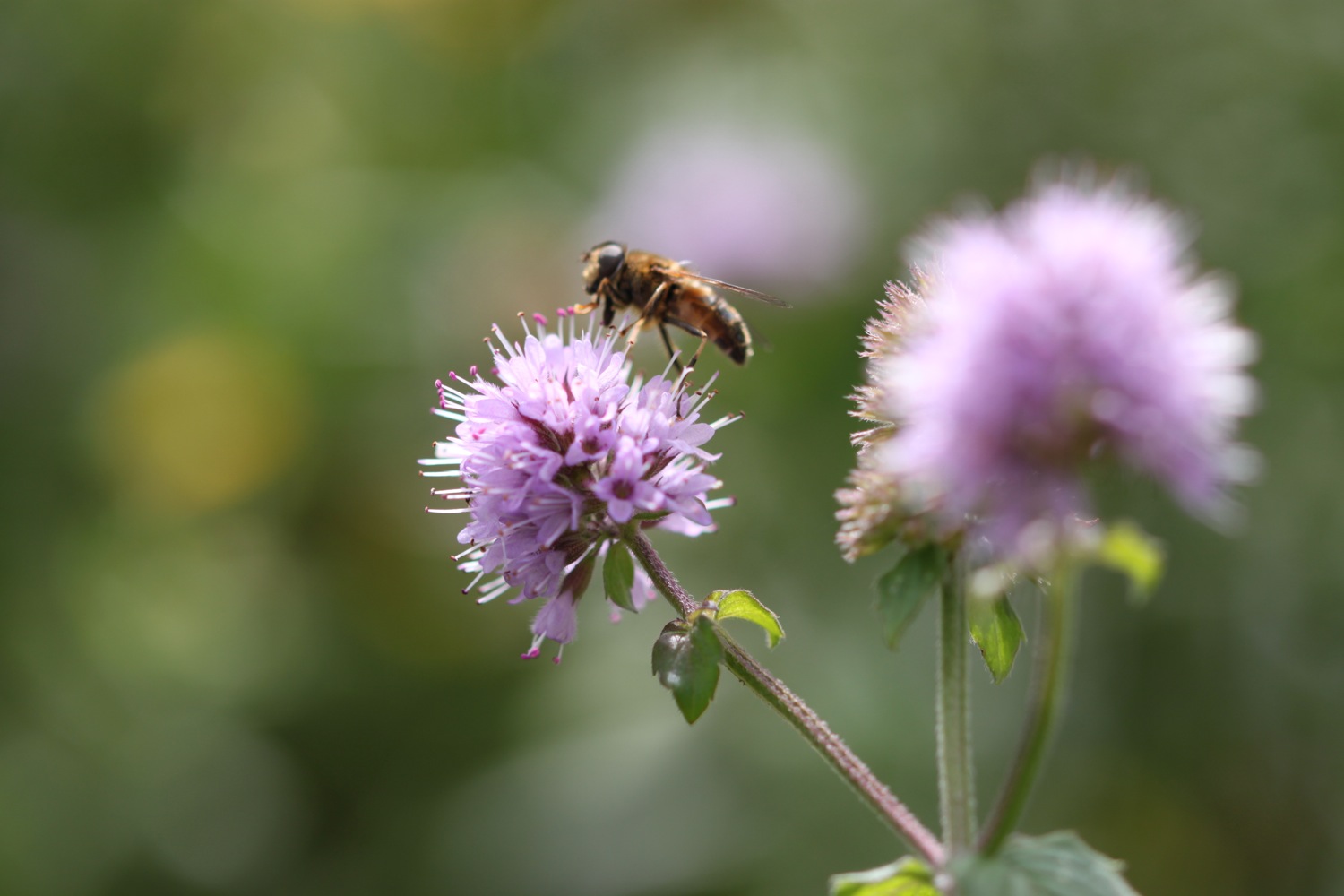
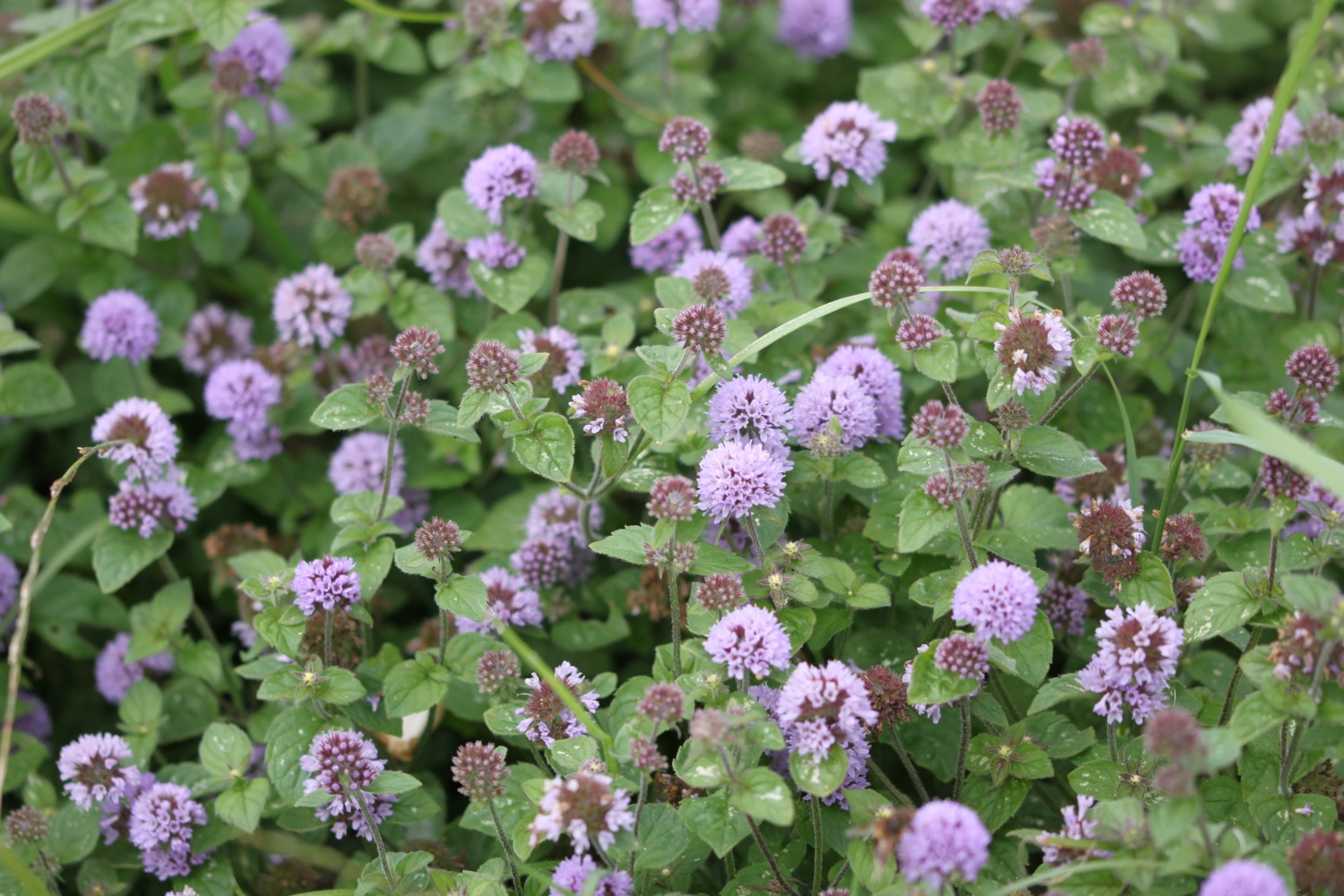
  • water mint
  • a pheasant
  • red admirals
  • speckled wood butterflies
  • canada geese
  • amphibious bistort
  • crab apples
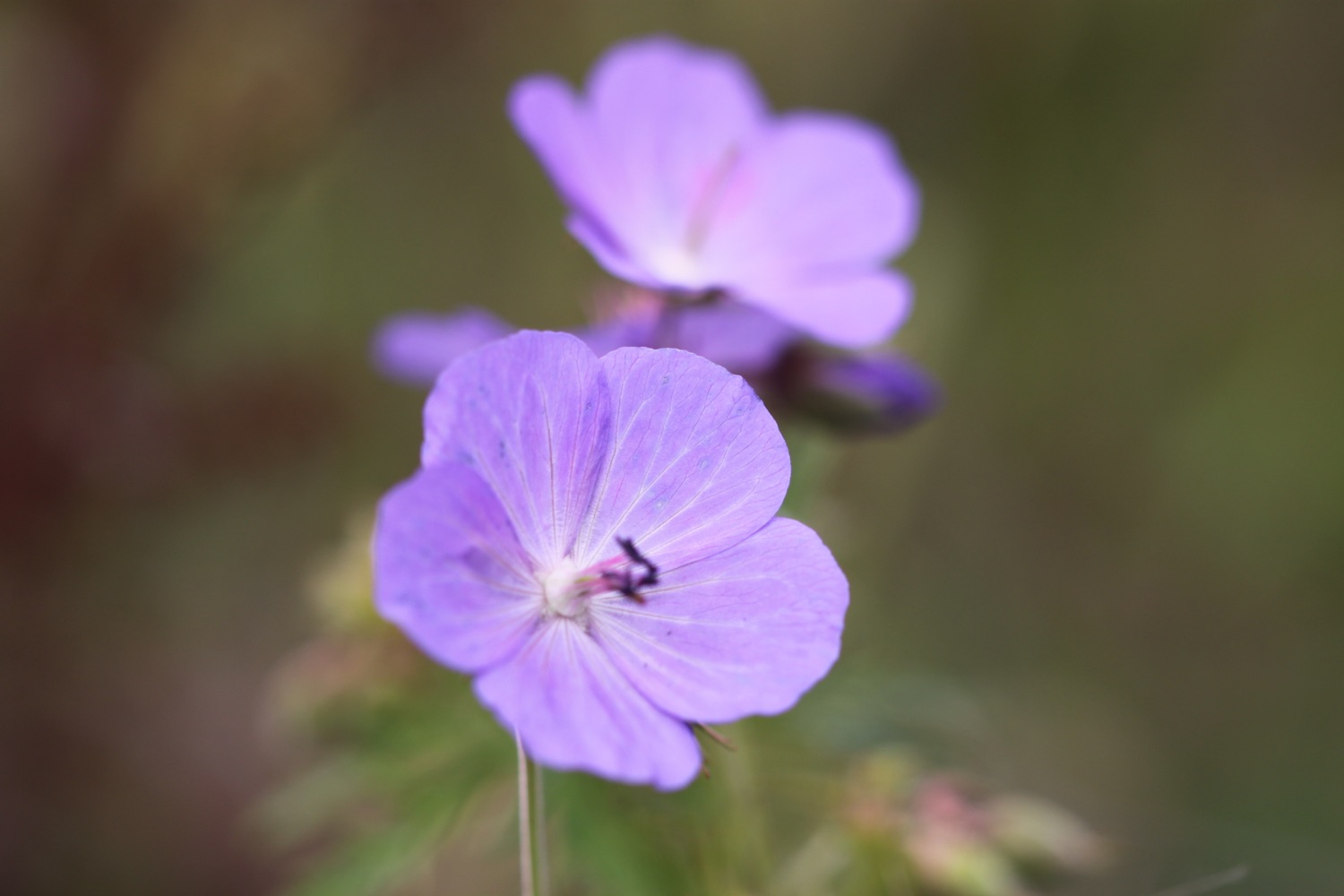
  • meadow's cranes-bill
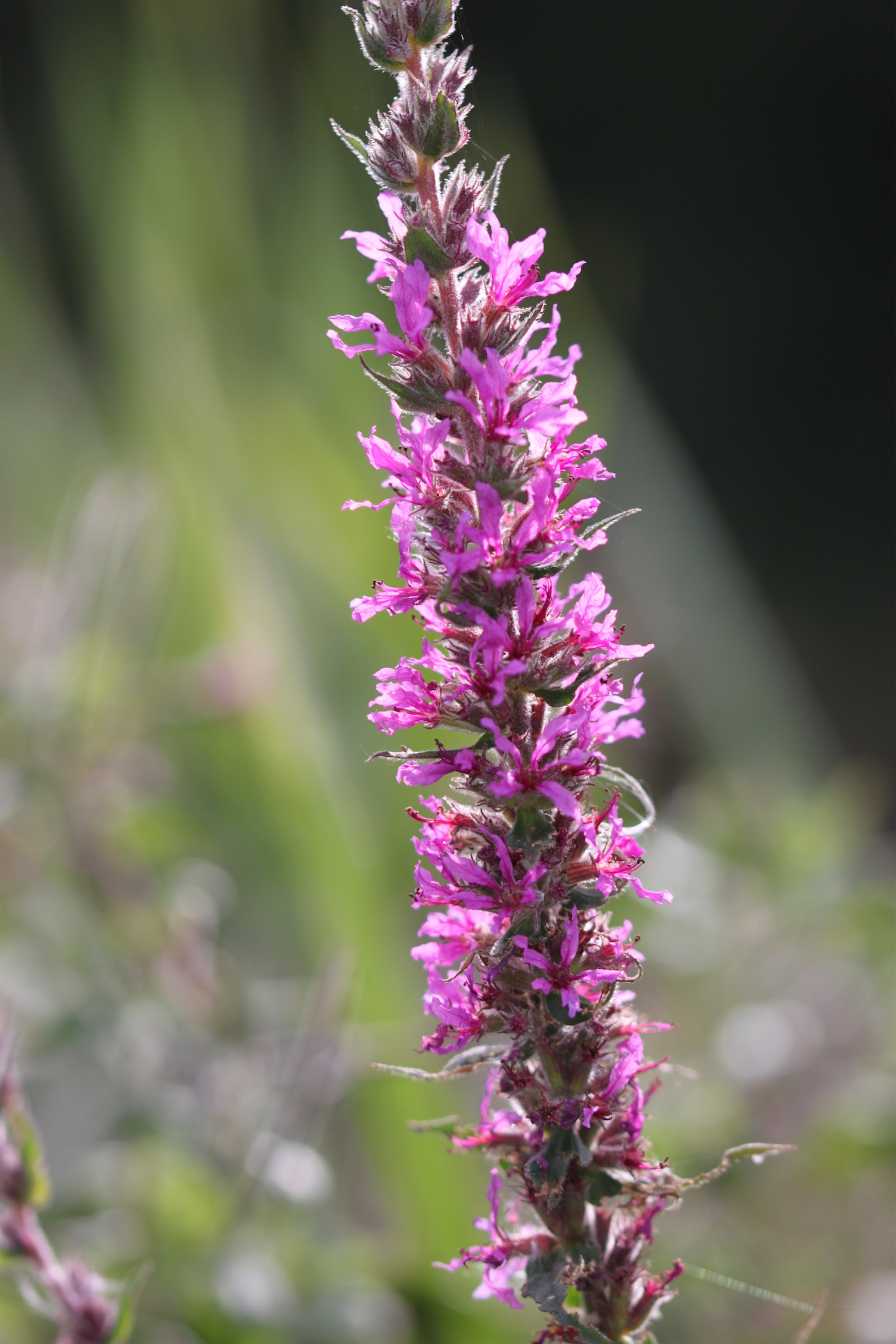
  • purple loosestrife

PODCAST

The podcast of today's walk is now available.  You can subscribe via the iTunes store or listen using the player below.

MARKS OUT OF TEN?

It has been a lovely day's walking today and although it hasn't exactly been a scorcher it also hasn't rained for the first time in quite a few days. According to my phone I've walked 10.4 miles today which amounts to 22388 steps. 8 out of 10.


View oxford to abingdon in a larger map

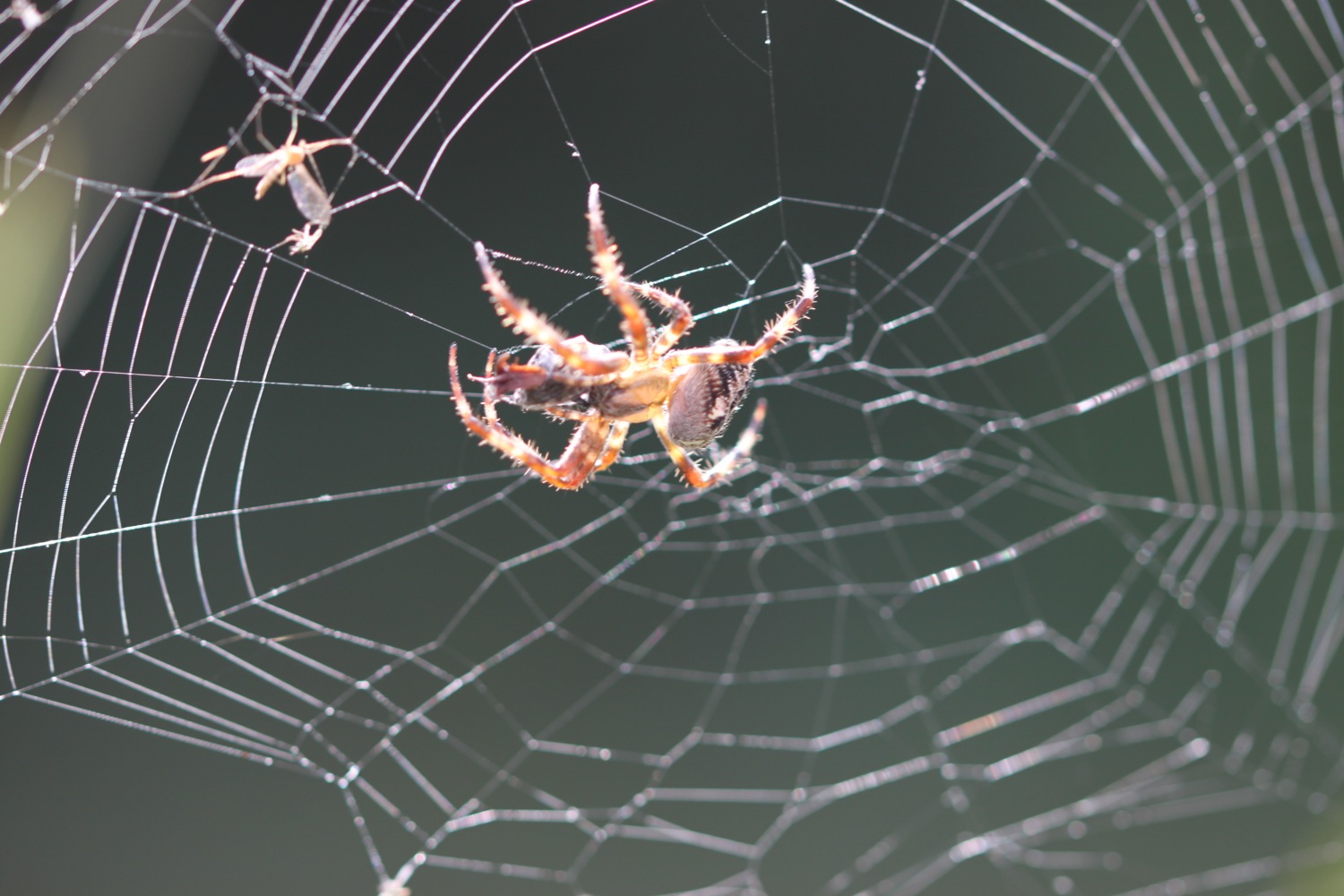
spider's web

the source of the thames to cricklade

thames path

24th july 2014

Phew! What a scorcher!!

I start the day in a field! Not any old field, mind you. This field is called Trewsbury Mead and is the birthplace of the River Thames. A simple stone carved by the Thames Conservators (it's very hard to read now) and a pile of stones, underneath an ancient ash tree, marks the spring at the start of the River Thames. There's no sign of water today so the spring must be deep beneath my feet.

The conservators of the River Thames
1857 - 1874
This stone was placed here to mark the
source of the River Thames

simple stone

source of the thames

Just as I begin to contemplate today's walk five people turn up at the source having completed their walk for the day. I thought this field was in the middle of nowhere! One person had set off from Lechlade at 5:30 this morning and was in training for a non stop walk/run of the Thames Path in August which he is expecting to complete in about 55 hours.

looking back to the source of the thames

After taking photos for some of the people completing their walk, I leave the crowded source of the Thames and head towards Kemble. I cross the busy Fosse Way otherwise known as the A433 and walk across more fields to reach the outskirts of Kemble.

I join a minor road at Parker's Bridge and wander along a small path between the road and the now flowing  river and then pass cottages on the outskirts of the village of Ewen. I wander in to the village to visit the Wild Duck Inn which looks rather posh to me.

wild duck inn

It seems that even the Cotswolds has a litter problem as I find several empty cans of Strongbow on the grass outside the pub.

I head back out of the village to regain the path and find the Thames again on the outskirts of the village where I find some cows enjoying the cooling water. I also see a kingfisher fly past me.

cows enjoying the water

I amble along the Thames passing my first weir and then enter open meadows where I pass under some crackling power lines. I pass a family of swans feeding amongst the watercress.

power lines stretch into the distance

I walk across a long wooden bridge to enter Neigh Bridge Country Park where I find a lake. Here I get lost as the signs are suddenly useless and I'm not alone as other walkers are wandering around trying to find any sign of the Thames Path.

Eventually I find some signage out on the main road so head down this road before turning down a gravel path and I start to walk through Cotswold Water Park (although it's not entirely clear where the park starts) which has not got WATER in its name for nothing. Suddenly there's water everywhere! There are water filled gravel pits either side of me (about 150 in total) and I pass many of them as I amble through the park and I cross the River Thames many times. The trouble is that the path is heavily vegetated so you only get fleeting glimpses of the lakes.

I pass through Flood Hatches Copse (apparently!) and enter the village of Ashton Keynes. Here I enjoy the charms of the Cotswold stone village. I then detour to visit the White Hart Inn which can be found just past one of the four preaching crosses in the village.

ashton keynes

white hart inn

I walk along Back Street and then pass some houses on the outskirts of the village before entering a sports field and cross Ashton Keynes Millennium Green (which just seems to be a field!) and walk along a causeway between two more lakes.

danger - quicksand

There's some quicksand here which I manage to avoid and then I pass more lakes including a whopper of a lake, Manorbrook Lake, where I stop to watch a waterskier.

manorbrook lake

I leave Manorbrook through a gate and wander around Cleveland Lake to rejoin the Thames. The paths around here are full of butterflies and dragonflies but they prove to be elusive to photograph. Eventually I manage to photograph a small tortoiseshell.

small tortoiseshell


hawk moth caterpillar

Even though we haven't had any significant rain the paths around here are a bit muddy in places and I come across what seems to be a hawk moth caterpillar, although I'm not sure which one and it appears to be the worse for wear.

I pass Elmlea Meadow and the paths around here are looking lovely.

summer path

Here I manage to photograph my first brimstone butterfly of the season and it proves to be very obliging.

brimstone butterfly

I walk along a track on the converted bed of the old railway and then reach a bridge on the line of the North Wiltshire Canal where some sheep are making an awful lot of noise.

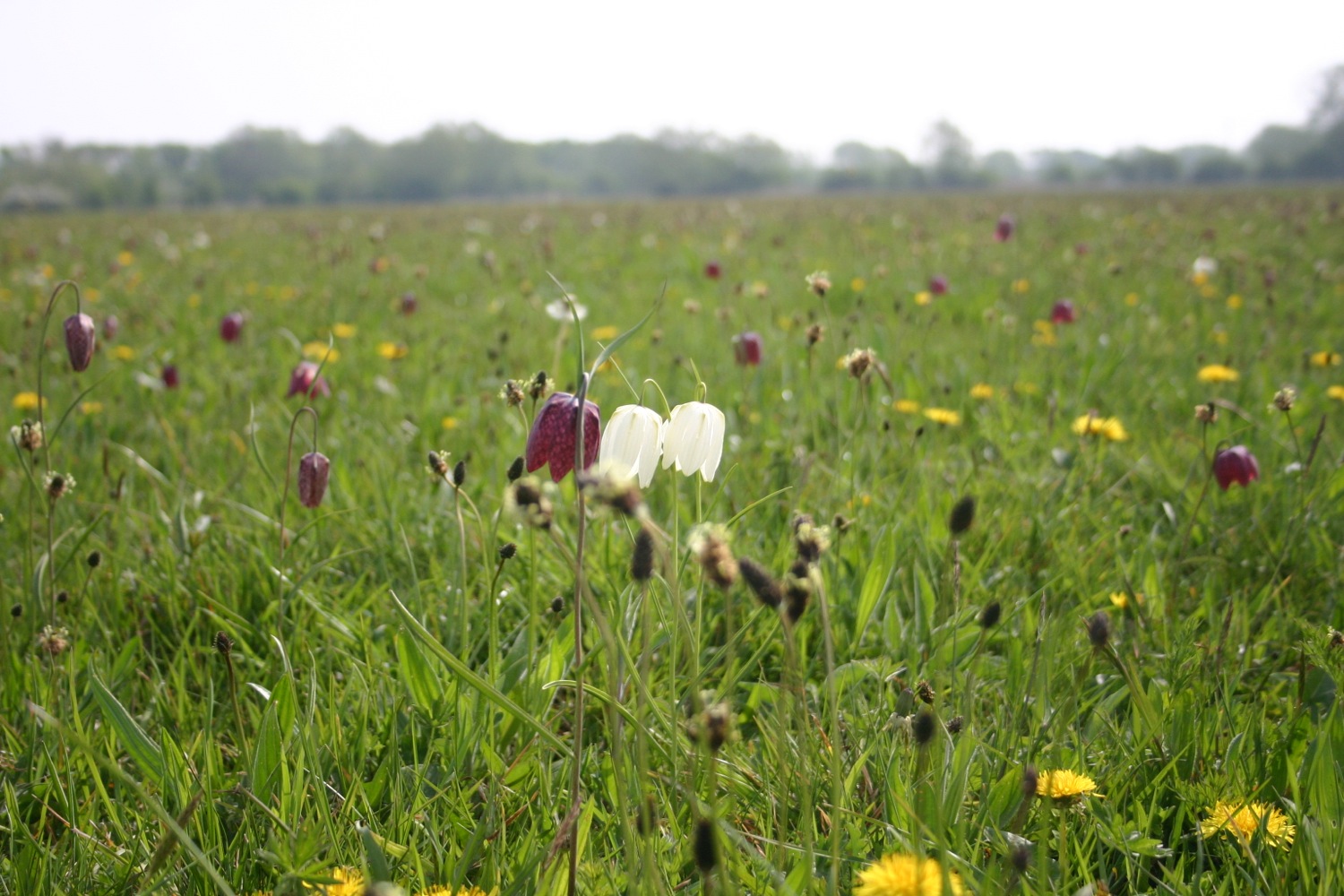
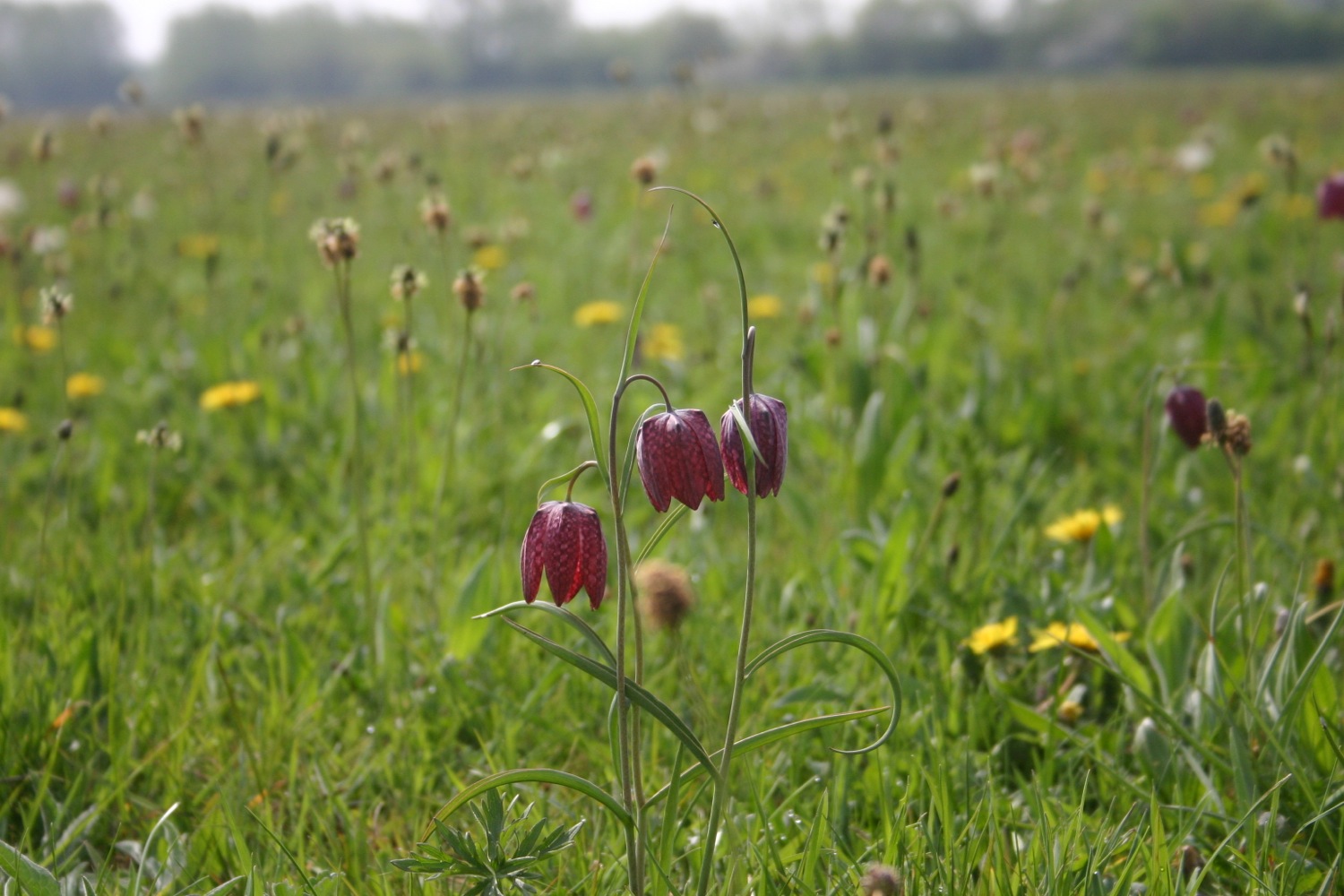
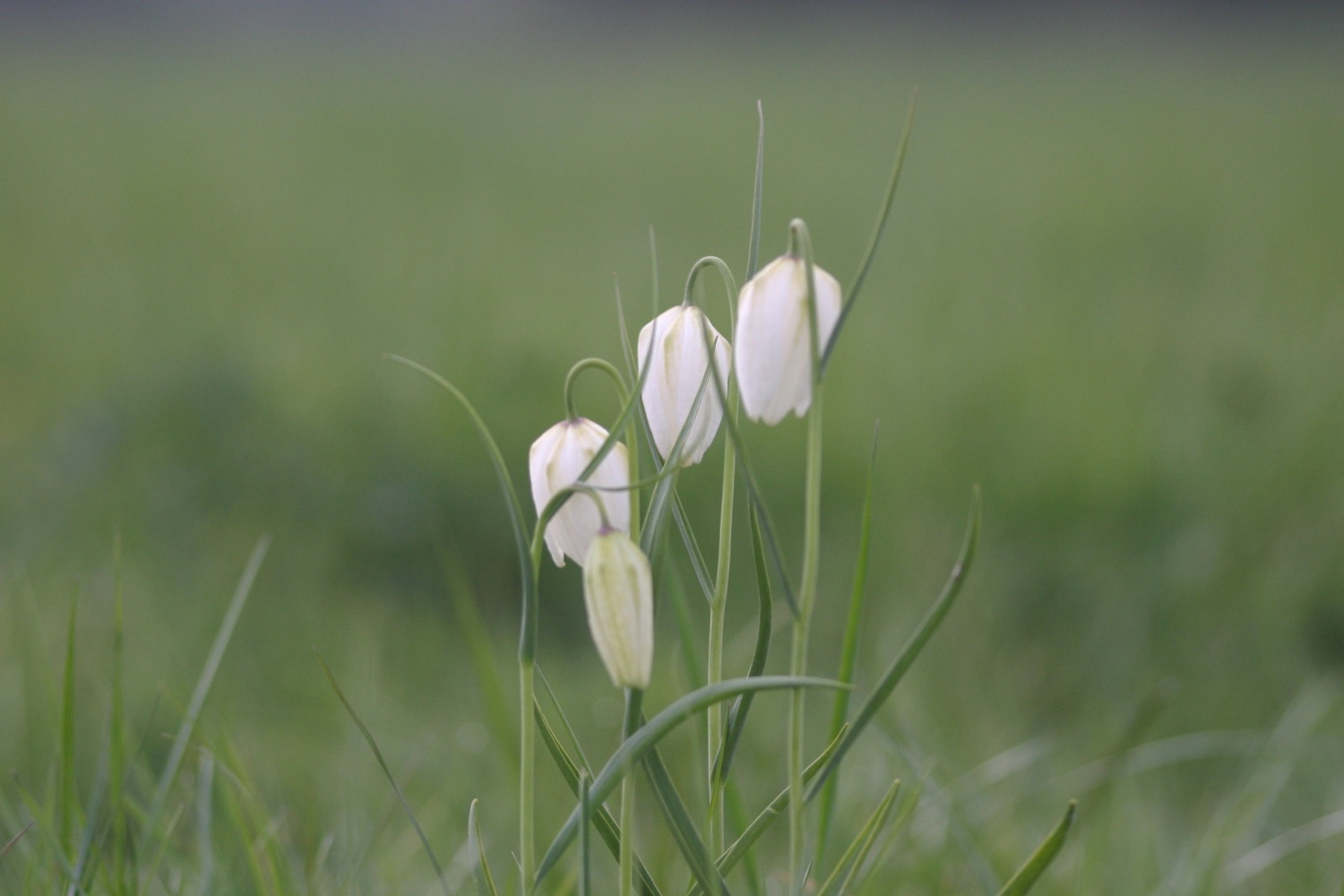
A gate and steps lead down to North Meadow Nature Reserve, an old hay meadow and now a National Nature Reserve and Site of Special Scientific Interest. The meadow is a magical place in Spring when millions of snakes head fritillaries are in flower. I haven't visited the meadow for a while but I've included some photos from my last visit below. 

The meadow still looks lovely on this beautiful summer's day and the tractors are out in force cutting the meadow for silage.

north meadow in summer

I follow the river bank and enter the village of Cricklade.

I pass though another meadow and my hay fever is playing up big time now! At the other side of the meadow a gate leads to Cricklade High Street.

cricklade high street

There are plenty of pubs here including the Red Lion Inn (@theredlioncrick), the White Hart, and the Old Bear Inn. It's rather nice around here so I settle for some refreshments at the Red Lion Inn which I come to on the High Street straight away. They have an amazing selection of beer and I settle for a pint of Camden Hells Lager to cool me down and which is lovely, if expensive!

red lion inn

a rapidly emptying hells lager

FLORA AND FAUNA

Flora and fauna encountered on the walk today includes :-

  • buzzards
  • pheasants
  • swifts
  • house martins
  • swallows
  • ducks
  • a kingfisher
  • peacock butterflies
  • wrens
  • watercress
  • dragonflies
  • cows
  • sheep
  • small tortoiseshell butterflies
  • brimstone butterflies
  • a hawk moth caterpillar
podcast logo small.png

PODCAST

The podcast of today's walk is now available.  You can subscribe via the iTunes store or listen using the player below.

MARKS OUT OF TEN?

It has been an absolute scorcher of a day today but I've been accompanied by a nice breeze for much of the day and I've had some shade. According to my phone I've walked 14 miles today which amounts to 30220 steps. It feels a bit weird not walking by the sea but even so the walking has been great even if it has been easy. 8 out of 10.


View source of the thames to cricklade in a larger map

small tortoiseshell